What Happened to Shirley Temple After Hollywood Fame
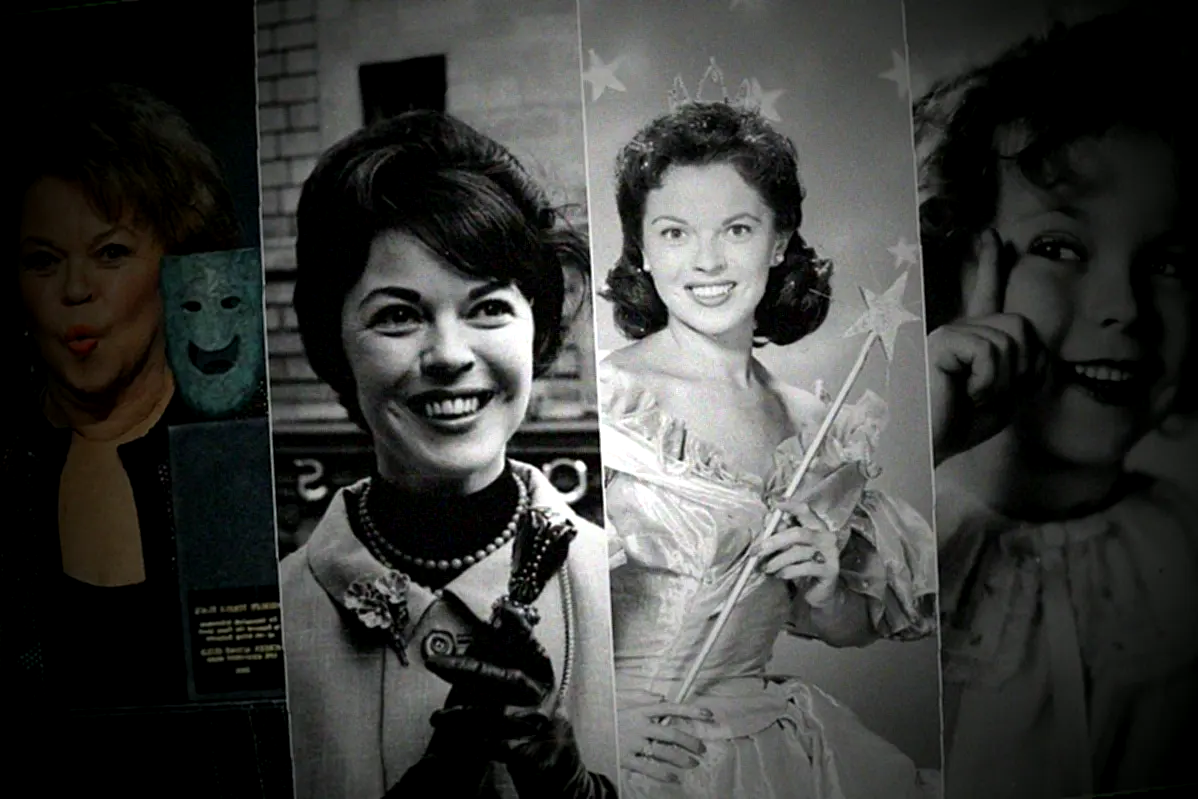
Shirley Temple emerged as Hollywood's first major child star, captivating audiences with her iconic curls, infectious charm, and tap-dancing prowess. Yet, like so many young performers in the spotlight, she faced significant challenges transitioning from childhood stardom to adulthood, even after a financially rewarding early career. Losing key roles to rising talents like Judy Garland and enduring a stormy first marriage could have derailed her entirely. Remarkably, Shirley Temple after fame pivoted to an extraordinary second act as a political activist, dedicated public servant, and esteemed diplomat. She even inspired a popular mocktail—though she wasn't thrilled about it. Dive deeper into the inspiring post-Hollywood life of this enduring legend, exploring how she redefined success beyond the silver screen.
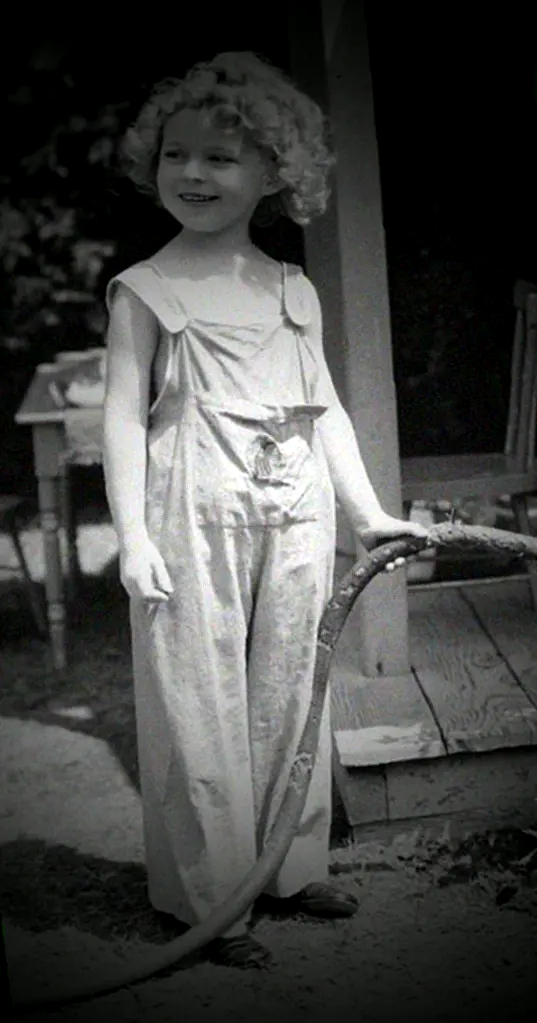
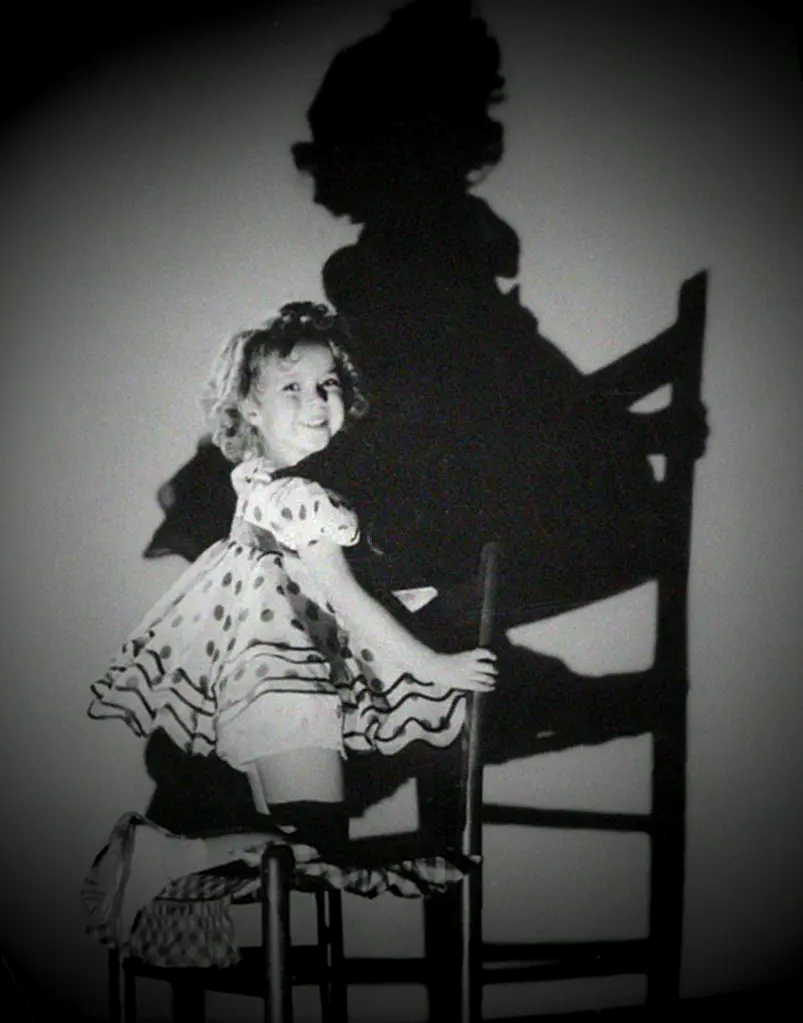
Her Career Continued as a Teen
By the late 1930s, Shirley Temple was among the world's most celebrated stars, but puberty brought harsh realities for child stars in Hollywood. Audiences craving her youthful innocence drifted away, leading Fox to drop her contract in 1940. She persisted with roles in heartfelt films likeI’ll Be Seeing YouandMiss Annie Rooney,yet recapturing that early magic proved elusive amid the competitive landscape. Despite setbacks, her determination kept her in the headlines, hinting at the resilience that defined her Shirley Temple career long-term. For more on her filmography, check IMDb's comprehensive profile (https://www.imdb.com/name/nm0000065/).
A Volatile First Marriage
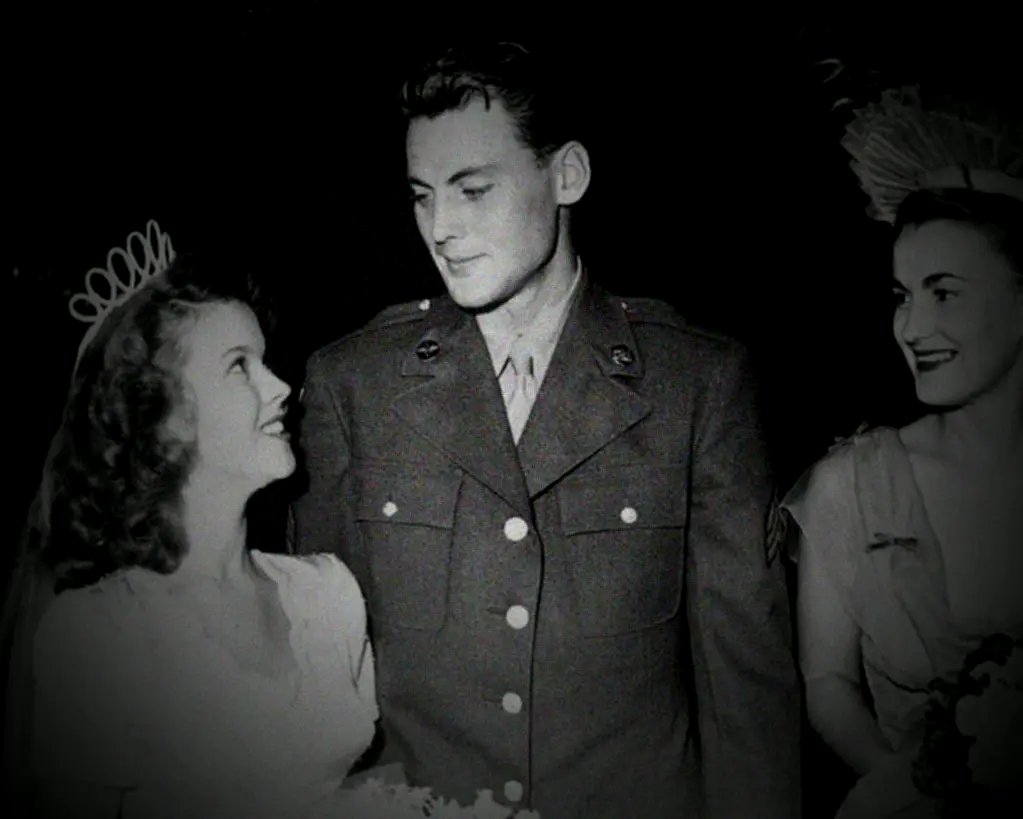
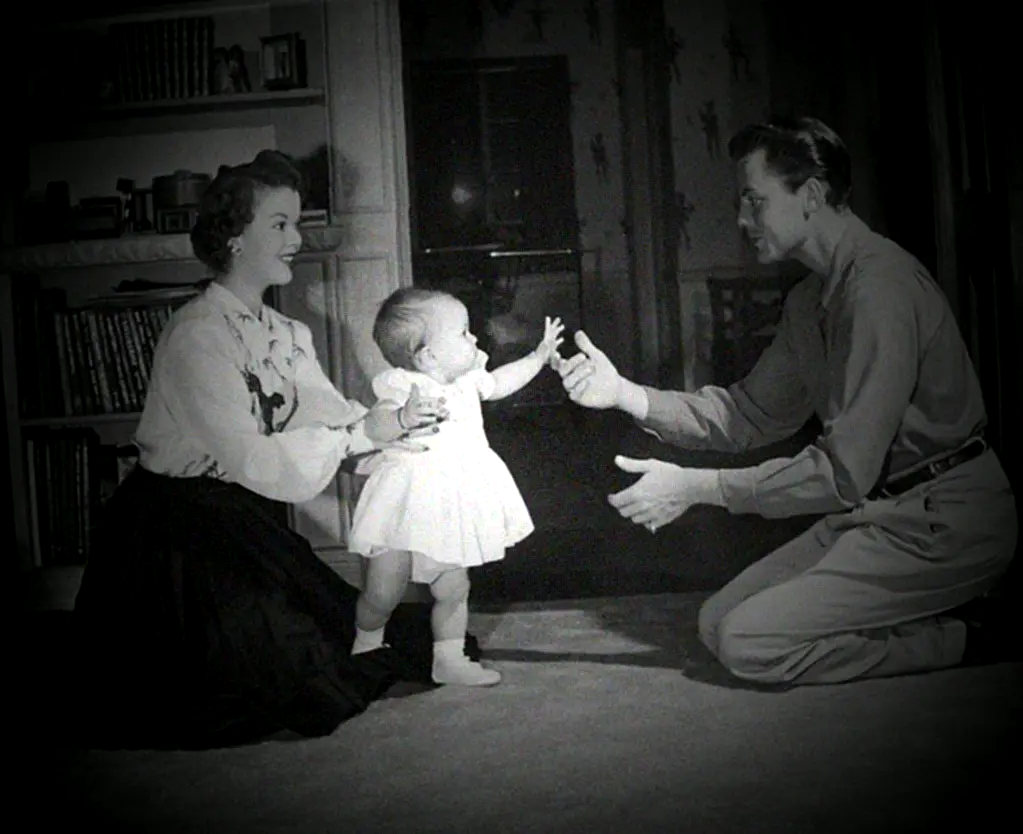
At just 17, the young star married handsome Army Air Corps sergeant John Agar, introduced through mutual friends. He ventured into acting largely due to her fame, co-starring in films like *Fort Apache*. Behind the glamour, however, their union unraveled—plagued by his alcoholism, alleged abuse, and infidelity. What began as a fairy-tale romance devolved into a stark cautionary tale about the pressures on child stars Hollywood often glosses over.
A Second Marriage and Retirement
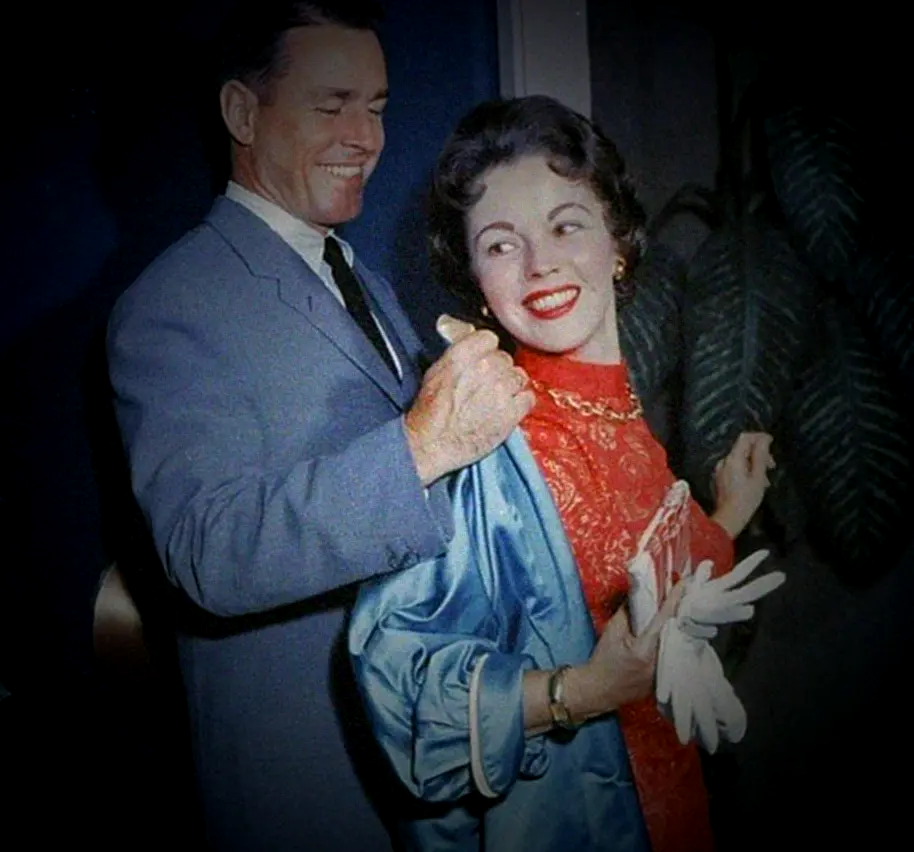
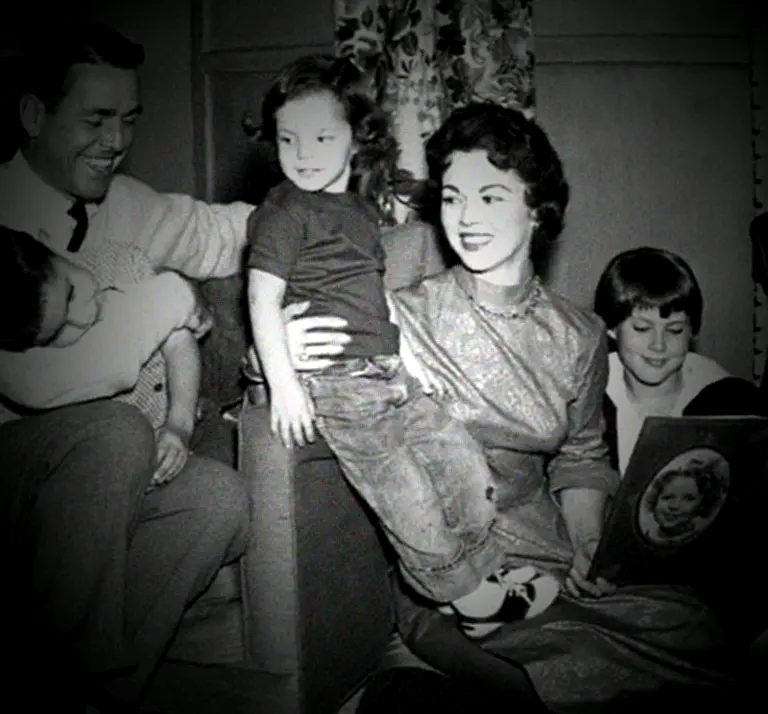
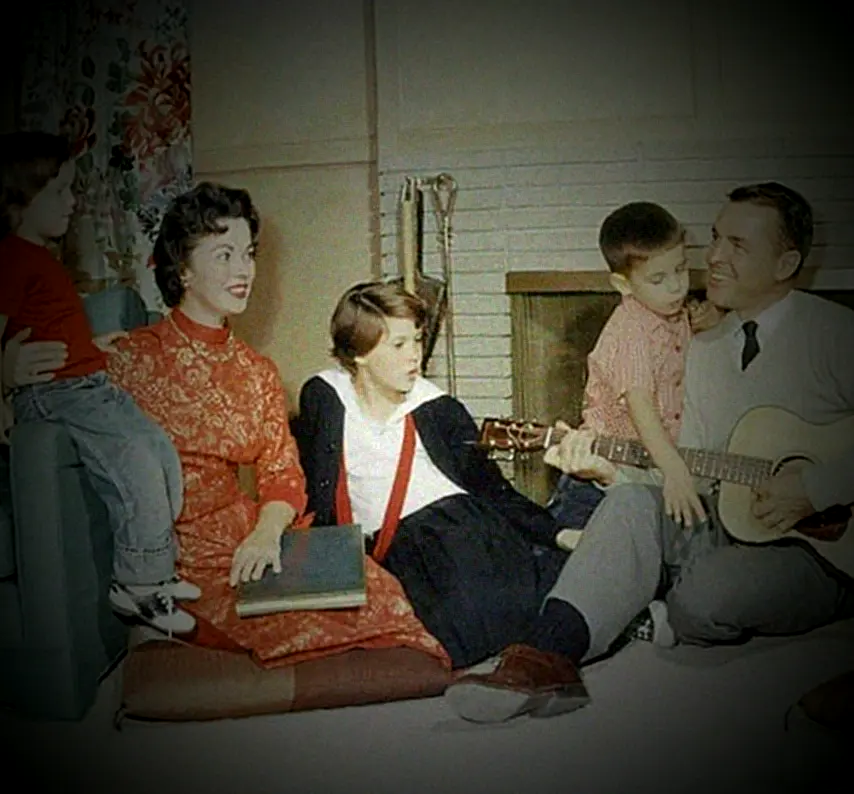
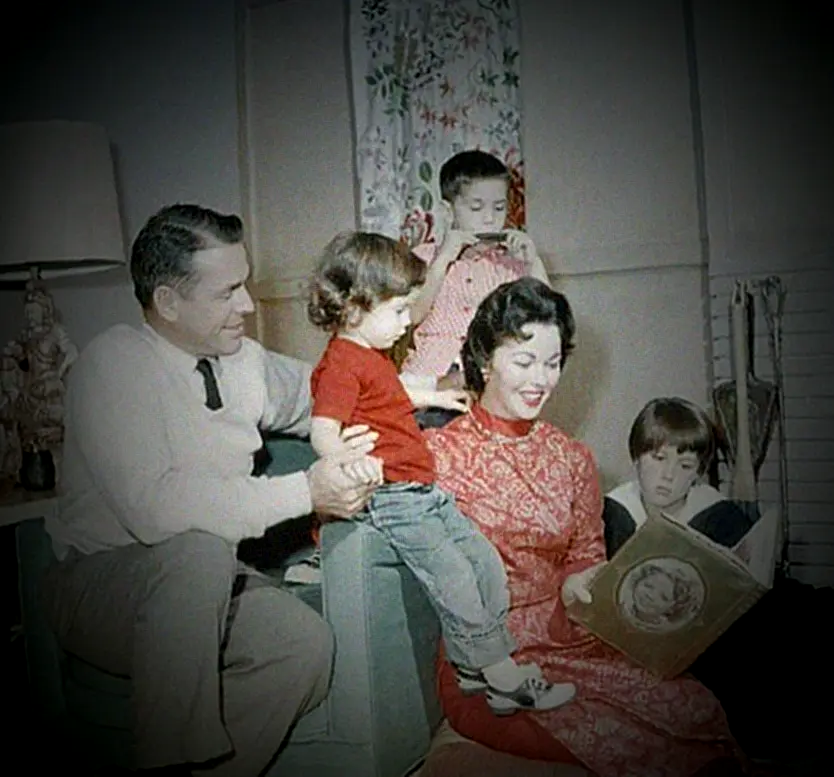
Divorcing Agar in 1949, Shirley Temple didn't dwell on the past. At a cocktail party, she met Charles Alden Black, a successful businessman and Navy officer, sparking instant love—they wed after only two months. (True love waits for no one!) At 21, she retired from acting, relocating to Washington, D.C., during the Korean War to embrace family life wholeheartedly. This fulfilling role sustained her for over 50 years, two children, and a stable partnership that contrasted sharply with her turbulent youth.
Hosting a Children’s TV Show
Though films faded, television welcomed her back warmly. In the late 1950s, she launchedShirley Temple’s Storybook, an enchanting anthology series adapting fairy tales and children's classics with moral lessons. Innovative for its era, many episodes were filmed in color ahead of widespread TV adoption. As color sets finally proliferated in the early 1960s, the show wrapped in 1961—classic case of impeccable timing just missing the mark. Ever wonder how ahead-of-its-time TV productions shaped modern programming?

She Worked With Many Charities
Philanthropy coursed through Shirley's veins from childhood. As an adult, she channeled this into impactful work with the American Red Cross, various arts foundations, and especially the National Multiple Sclerosis Society following her brother's diagnosis. Rising to president, she exemplified quiet leadership, mirroring her on-screen dedication. Her efforts, detailed in historical records from the MS Society (https://www.nationalmssociety.org/), underscore her post-Hollywood life as one of service.
She Ran for U.S. Congress
In 1967, Shirley Temple entered politics as a Republican candidate in California's 11th district, jumping in late but campaigning fiercely to champion women's voices in government. Though defeated by Pete McCloskey, the bid ignited her passion for public service, paving the way to diplomacy. This chapter highlights how former child stars Hollywood produces can influence real-world policy.
Temple Was a U.S. Ambassador to Ghana and Czechoslovakia
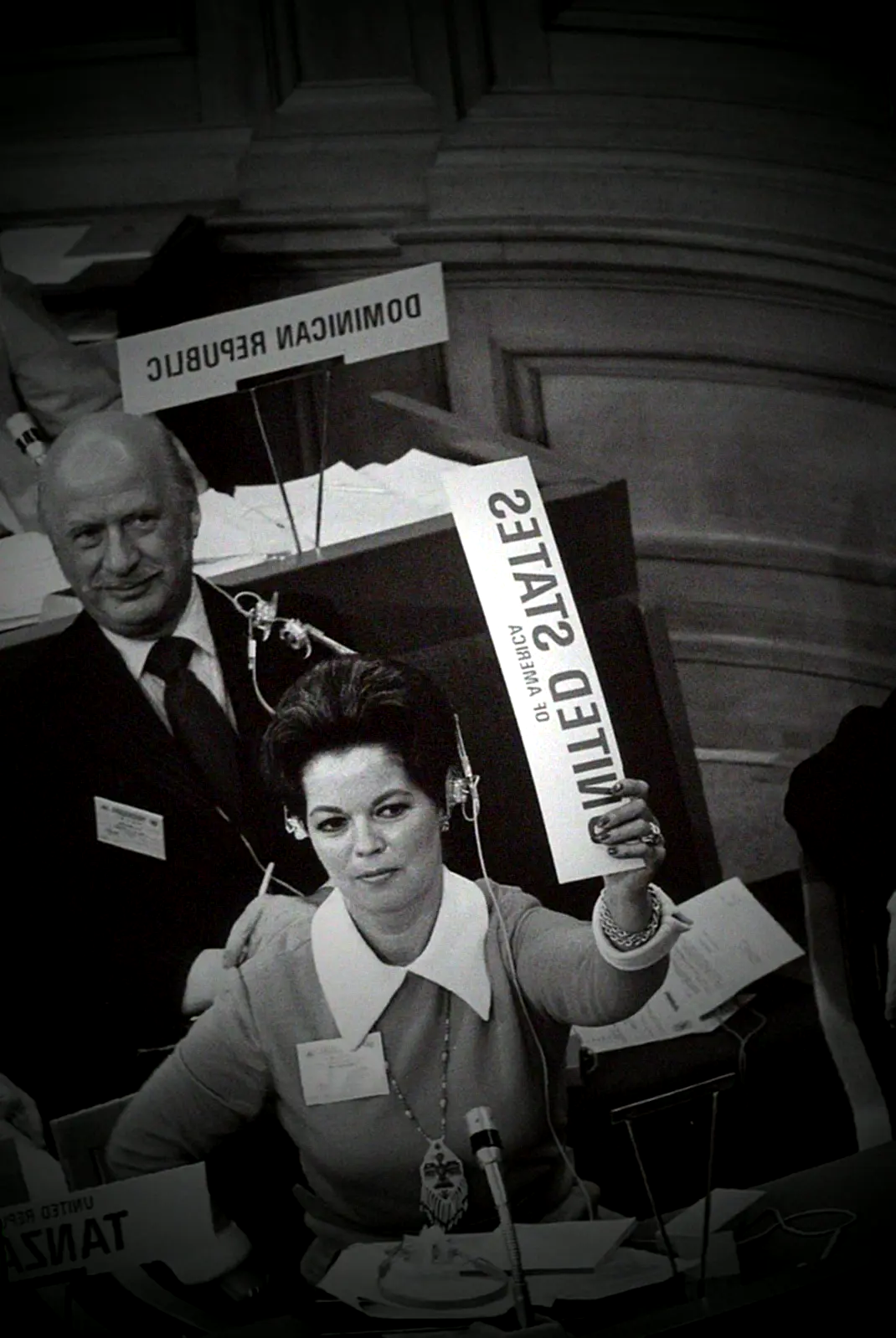
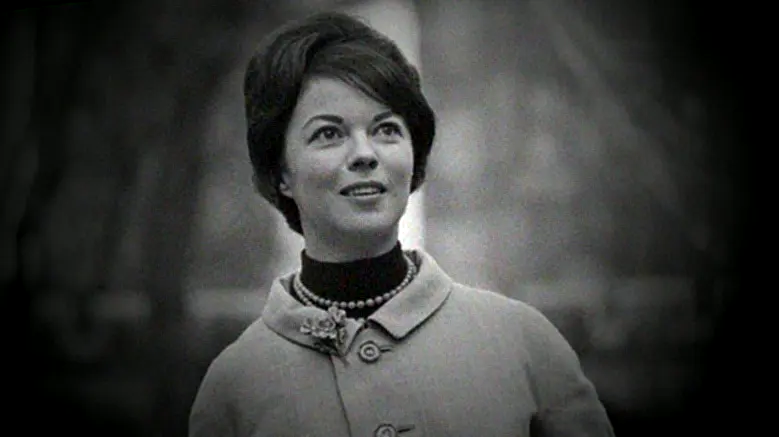
Shirley Temple after fame truly shone internationally, earning the title“Madam Ambassador.”Following U.N. delegate service under Nixon, President Ford appointed her to Ghana in 1974. She later joined the State Department under Reagan, culminating in her 1989 role as ambassador to Czechoslovakia amid the pivotal Velvet Revolution under George H.W. Bush. From "On the Good Ship Lollipop" to global diplomacy—what an arc! Britannica chronicles her diplomatic tenure vividly (https://www.britannica.com/biography/Shirley-Temple).
A Complicated Relationship With Henry Kissinger
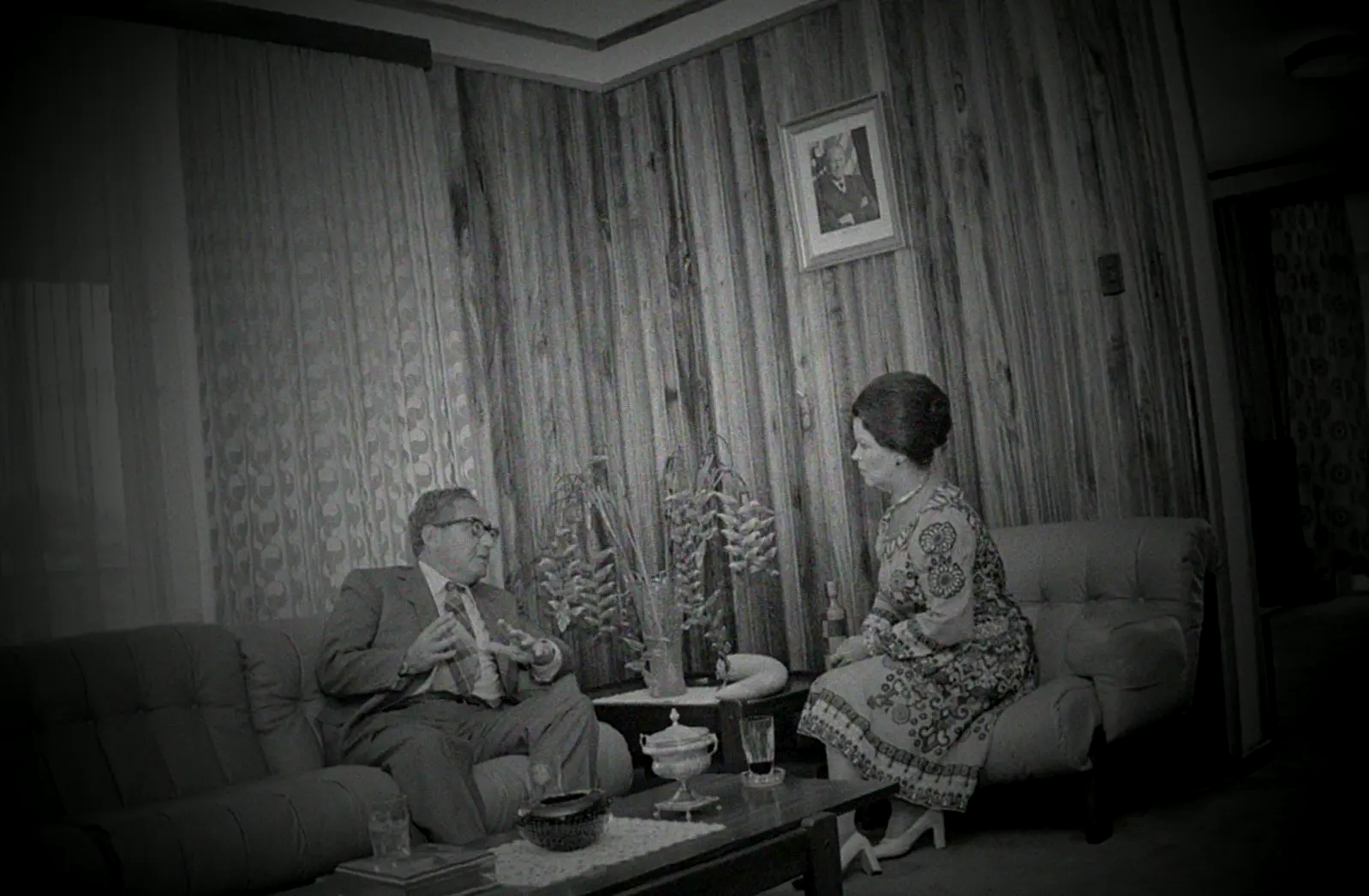
Shirley never shied from challenging titans. In talks on Namibia, Secretary of State Henry Kissinger was stunned by her expertise, later quipping about summoning "movie stars." (Talk about outdated views!) Even amid a Ghana posting controversy, she navigated with poise, embodying grace under fire.knewwhat it was. She later recalled him saying he liked having movie stars in positions where he could “make them come when I called.” (Yikes.) Shirley didn’t back down, though — even when her Ghana ambassadorship ended in a diplomatic mix-up, she handled it with trademark grace.
She Was on the Board of Directors for Major Companies
Transitioning seamlessly, Shirley joined boards of powerhouses like Del Monte Foods, Walt Disney Company, and World Wildlife Fund. Her business acumen elevated her from America's sweetheart to a corporate influencer, proving versatility in her Shirley Temple career.
Her Breast Cancer Diagnosis Raised Awareness
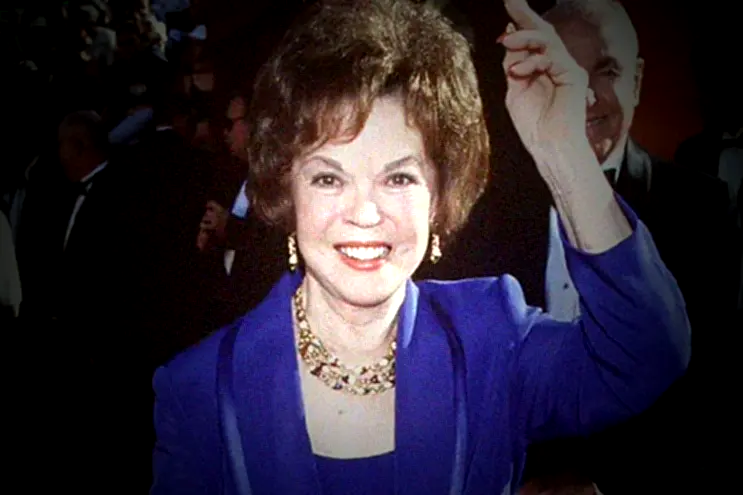
In 1972, amid stigma, Shirley bravely disclosed her breast cancer battle publicly. Post-mastectomy, she addressed the pressfrom her hospital bed,empowering women to prioritize screenings. This trailblazing candor in the 1970s shattered taboos, influencing awareness campaigns for generations. Her story remains a cornerstone in cancer advocacy history.
She Sued Over the Shirley Temple Mocktail
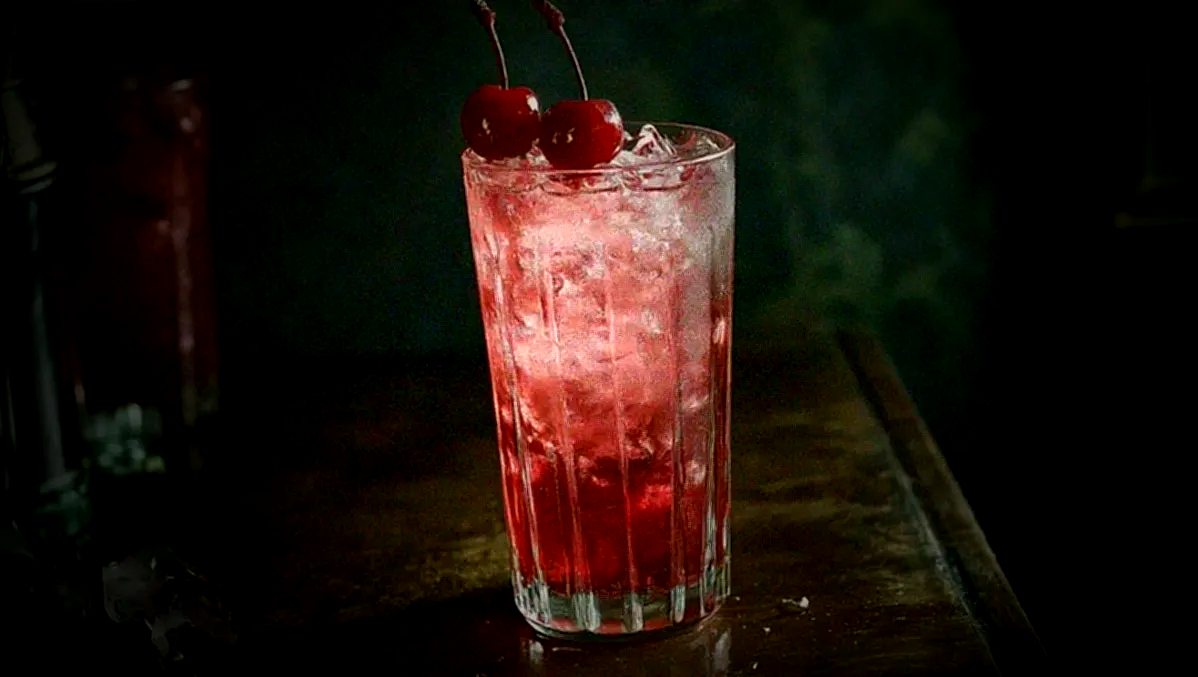
Ironically, the fizzy drink bearing her name? Shirley despised it as "icky" and overly sweet, denying any hand in its invention. When companies bottled it using her likeness without consent, she sued successfully—protecting her brand with fierce resolve. Iconic move!nothingto do with creating it. When brands started slapping her name on bottled versions of the drink, she took them to court for cashing in on her image without permission. Honestly? Queen behavior.
Lifetime Achievement and Legacy
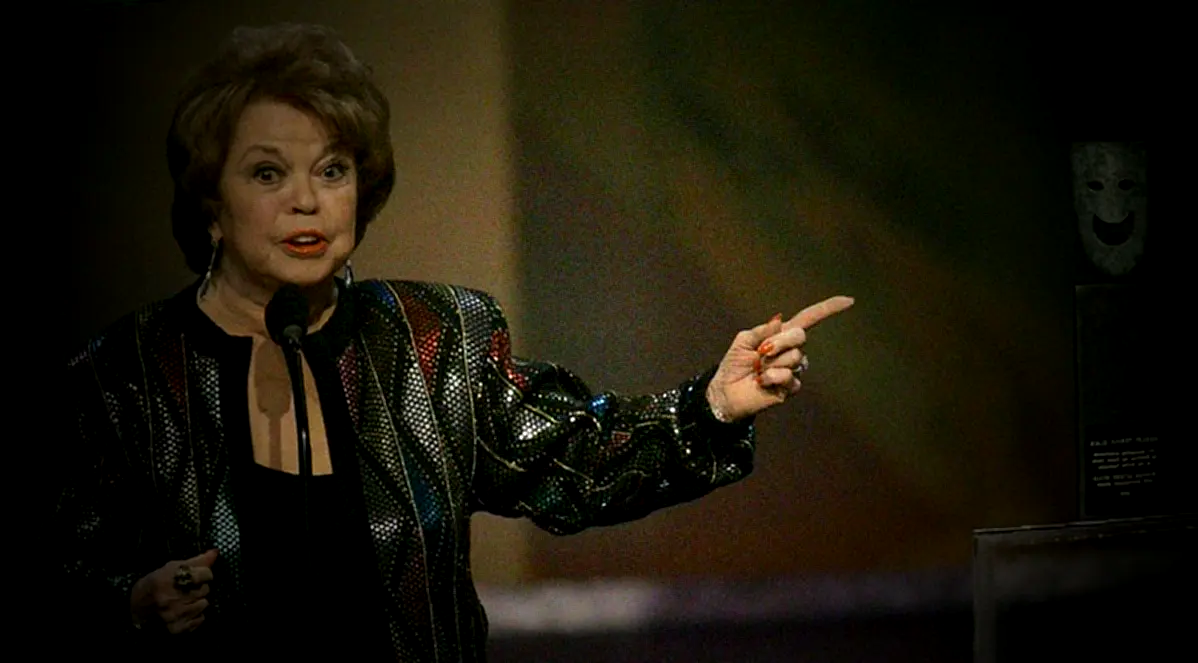
Shirley's accolades span eras: a special Juvenile Oscar in 1935, Kennedy Center Honors, and the 2005 Screen Actors Guild Lifetime Achievement Award. Her legacy transcends child stardom, inspiring with a post-Hollywood life of reinvention. Explore her full impact—have you followed other child stars' journeys? Discover more and share your thoughts below.