Europe Power Ranking 2025: Who Holds the Keys to Europe Right Now
Europe’s power structure defies a single throne or title, operating through layered influences from national leaders, EU institutions, economic powerhouses, and even external figures. POLITICO’s annual Europe power ranking focuses not on popularity or elections, but on those who truly shift the continental landscape. Drawing from political, economic, and institutional dynamics, this list reveals the most influential players in Europe today—and the reasons behind their clout. For deeper insights, see POLITICO’s full analysis (https://www.politico.eu/power-list-2025/).
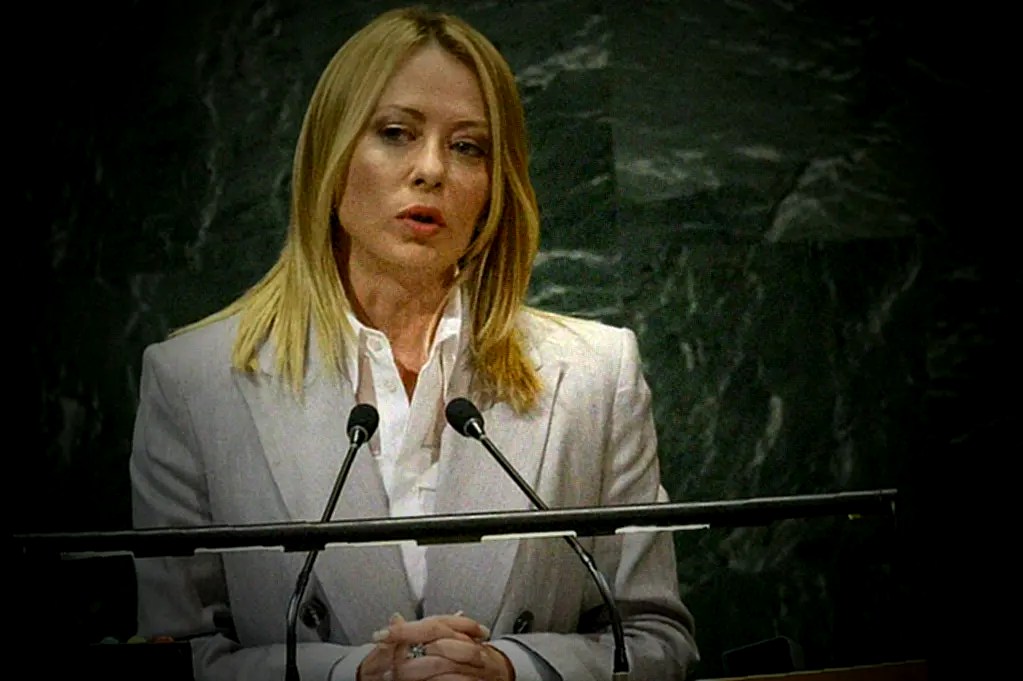
1. Giorgia Meloni
Prime Minister of Italy
Surprisingly, POLITICO crowns Italy’s Prime Minister Giorgia Meloni as Europe’s most powerful person, eclipsing Brussels insiders and giants like Germany or France. She’s mastered the art of being palatable to EU hubs, vital to Washington, and a key contact for rising global powers. Once labeled an ultranationalist fringe figure, Meloni now bridges Europe with the evolving U.S. political scene, bolsters EU solidarity on Ukraine and NATO, and fields calls from world leaders seeking “Europe’s voice.” This versatility defines raw power, as evidenced by her role in recent NATO summits (source: NATO official reports, https://www.nato.int/).
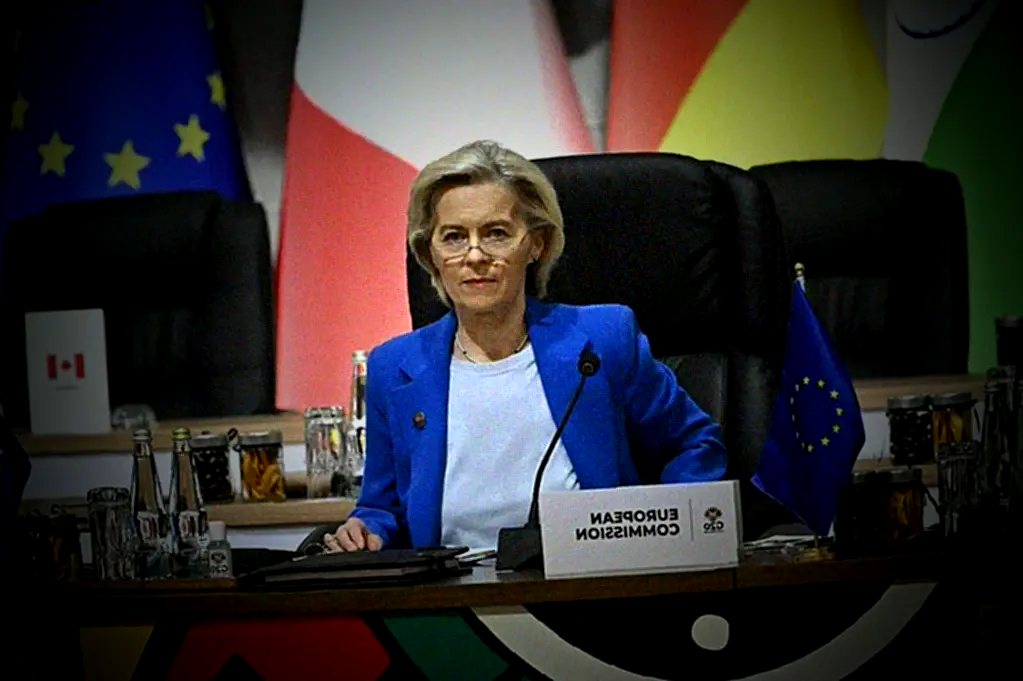
2. Ursula von der Leyen
President of the European Commission
Ursula von der Leyen stands as the institutional powerhouse of Europe, driving EU legislation, global-shaping regulations, and core policies on sanctions, climate, and industry. Secure in her second term, her structural authority—rather than personal flair—propels decisions on digital markets, defense strategies, and beyond. No major EU move advances without her Commission’s green light, making her indispensable in today’s complex Europe power ranking.
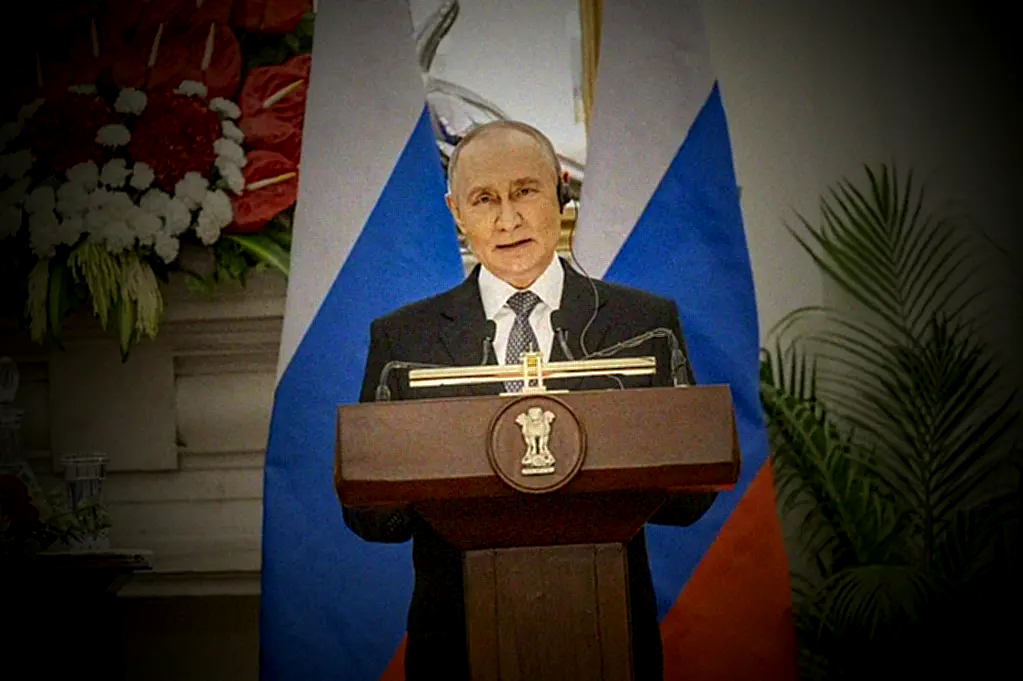
3. Vladimir Putin
President of Russia
Though outside EU borders, Vladimir Putin’s exclusion from any Europe power ranking would be shortsighted. His geopolitical, military, and disruptive force reshapes Europe’s security framework, energy strategies, defense budgets, and unity. The war he ignited continues to dictate continental responses, with sanctions curbing Russia yet underscoring his outsized daily impact—often through coercion over talks, as detailed in EU security assessments (source: European External Action Service, https://eeas.europa.eu/).
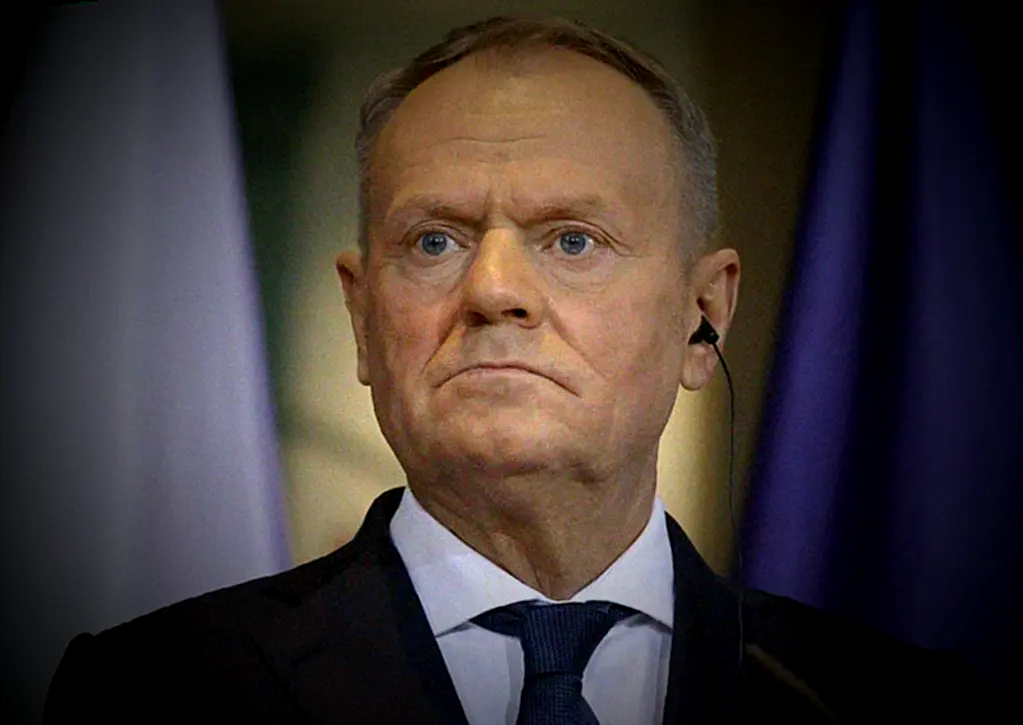
4. Donald Tusk
Prime Minister of Poland
Donald Tusk’s comeback has swiftly reestablished Poland as a Brussels cornerstone. With his vast EU experience, he’s realigned Warsaw within the pro-Europe, pro-Ukraine Eastern front. In an era where security flows east-west, Tusk leverages Poland’s strategic voice masterfully, amplifying its role in NATO and EU debates.
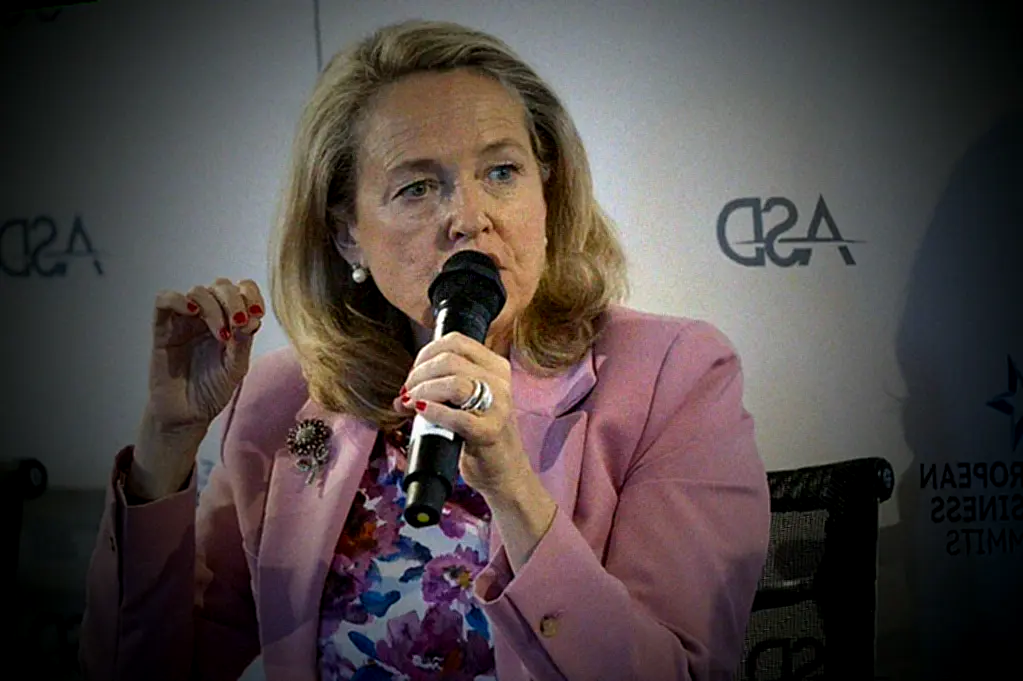
5. Nadia Calviño
President of the European Investment Bank
True power often hides behind financial levers, and Nadia Calviño wields one of Europe’s mightiest as EIB President: vast capital deployment. Directing funds for climate shifts, infrastructure, and industrial growth, she quietly blueprints Europe’s economic future. By 2025, her decisions will define what the continent builds amid green and tech transitions.
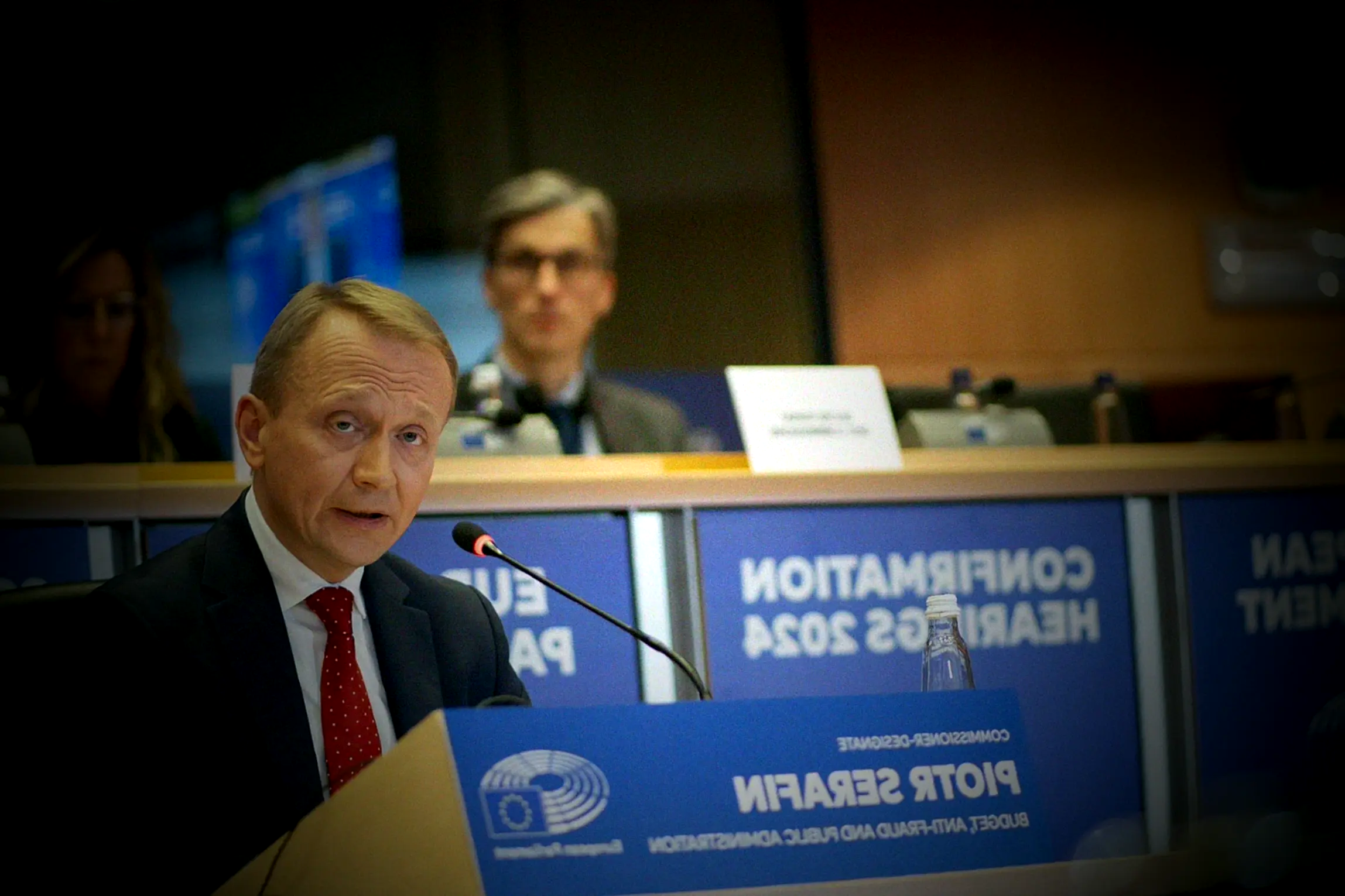
6. Piotr Serafin
European Commissioner for Budget
Piotr Serafin exemplifies emerging EU power—technical, bureaucratic, yet pivotal. Managing budget allocations amid politicized funds for defense, recovery, and autonomy, his role turns fiscal plans into action. Low-profile but high-impact, Serafin’s influence permeates policies where money meets priorities.
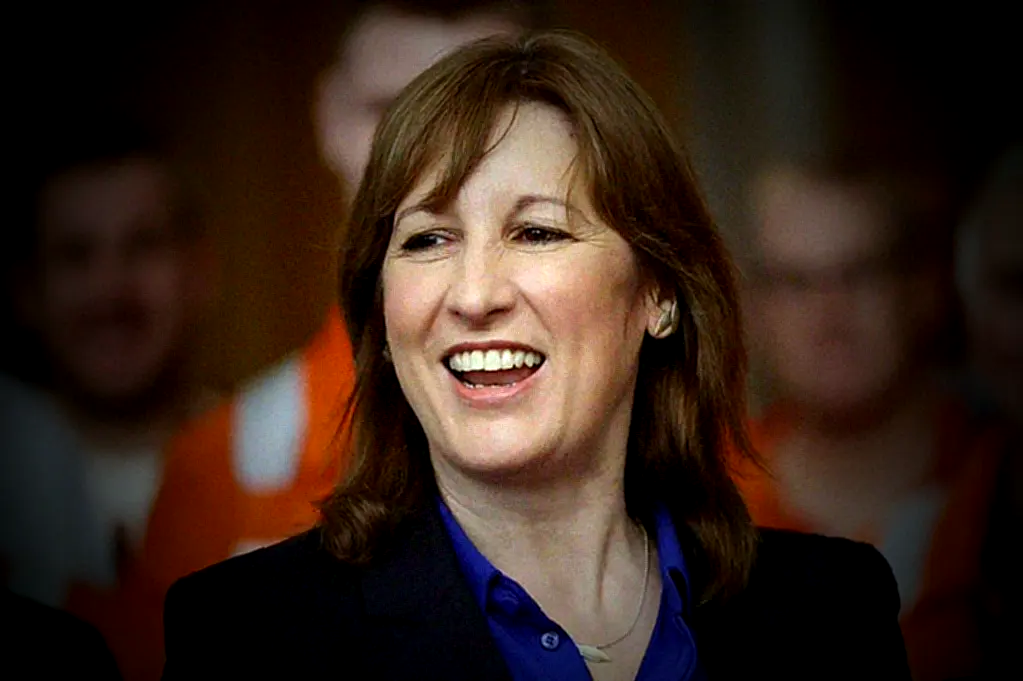
7. Rachel Reeves
UK Chancellor of the Exchequer
Brexit hasn’t dimmed the UK’s European sway, with Chancellor Rachel Reeves emerging as a key economic influencer. London’s finance dominance, Ukraine support, and diplomatic heft persist, as Reeves steers post-Brexit reengagement. Her strategies on growth and trade reaffirm the UK’s enduring stake in Europe’s power ecosystem.
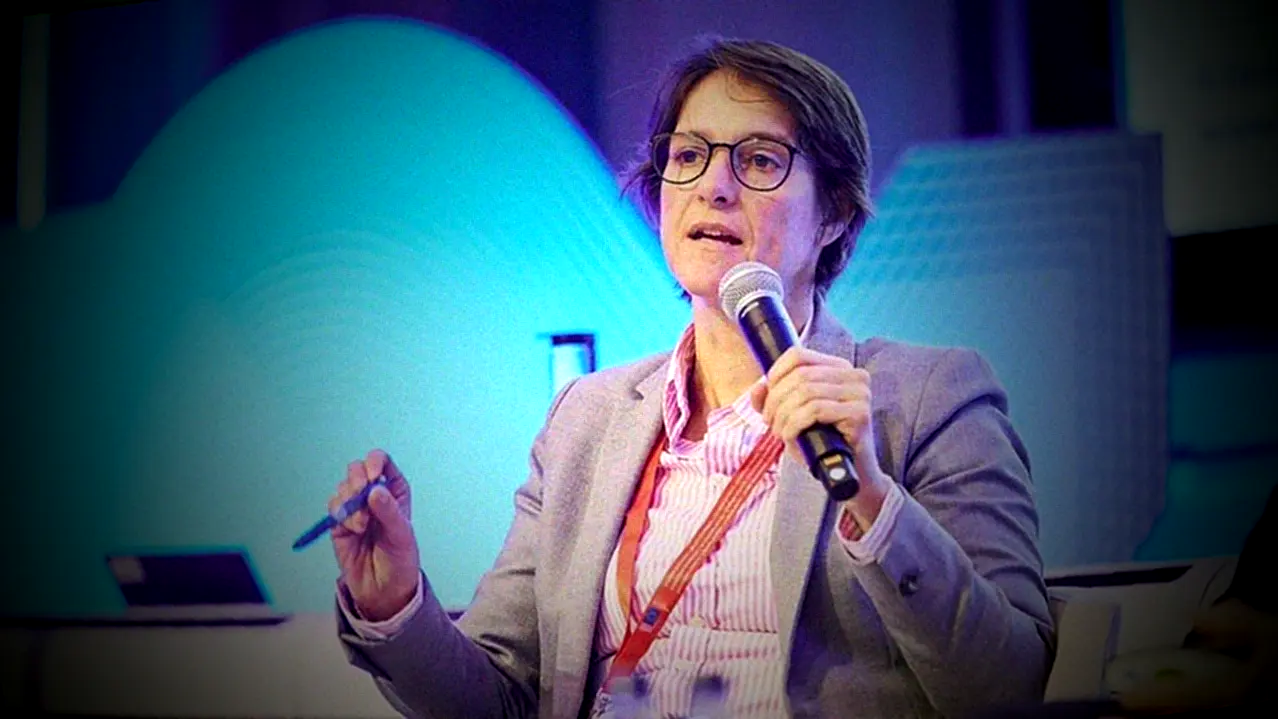
8. Stéphanie Riso
Director-General for Budget, European Commission
Stéphanie Riso proves power thrives in budgets as much as bold rhetoric. As the Commission’s budget chief, she vets policies for fiscal reality in times of austerity and crises. Her gatekeeping ensures viable initiatives prevail, underscoring administrative might in Europe’s governance.
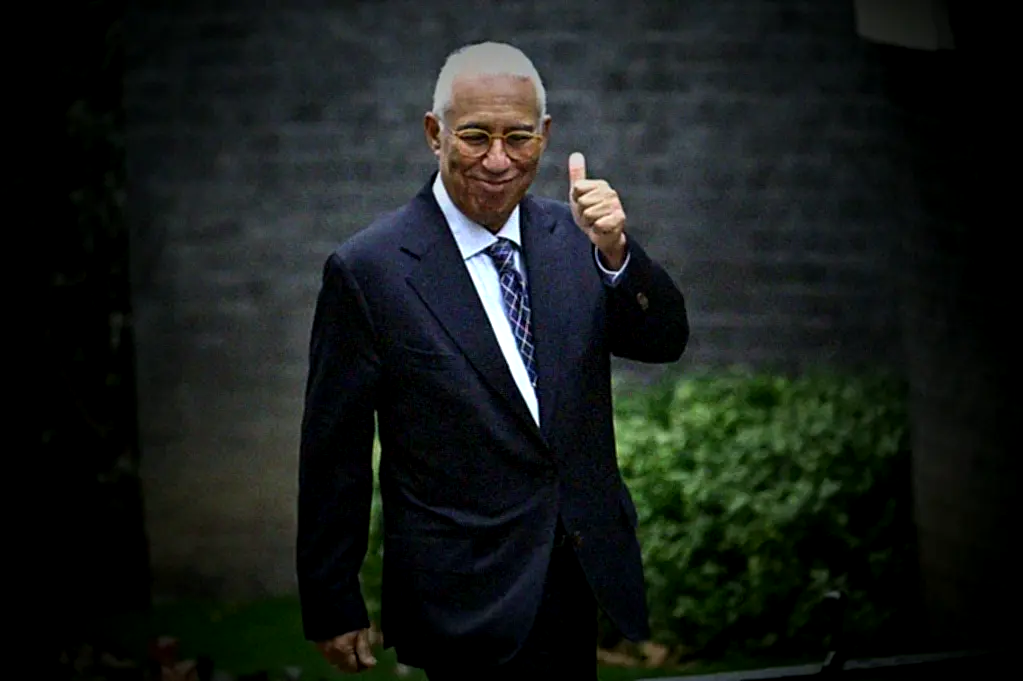
9. António Costa
President of the European Council
No longer a national leader, António Costa now orchestrates consensus among 27 nations as European Council President. Shaping summit agendas, brokering deals, and enforcing compromises, his skill keeps fragmented Europe cohesive—a subtle yet decisive force in outcomes.
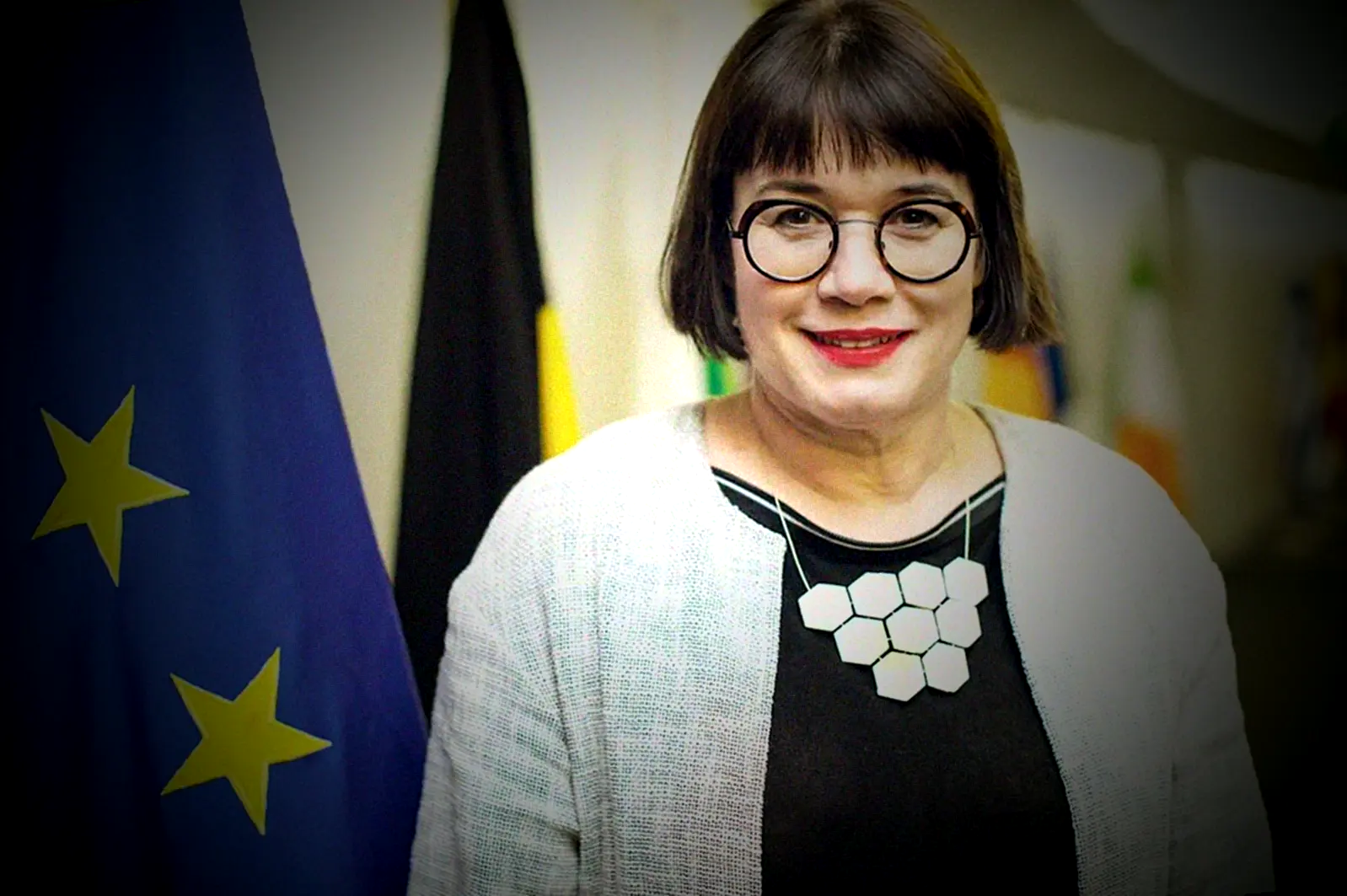
10. Sabine Weyand
Director-General for Trade, European Commission
EU trade policy packs global punch, and Sabine Weyand molds it—from supply chain resilience to autonomy. Her work on tariffs, standards, and pacts ripples through prices and geopolitics, highlighting how Europe wields influence via rules over raw might.
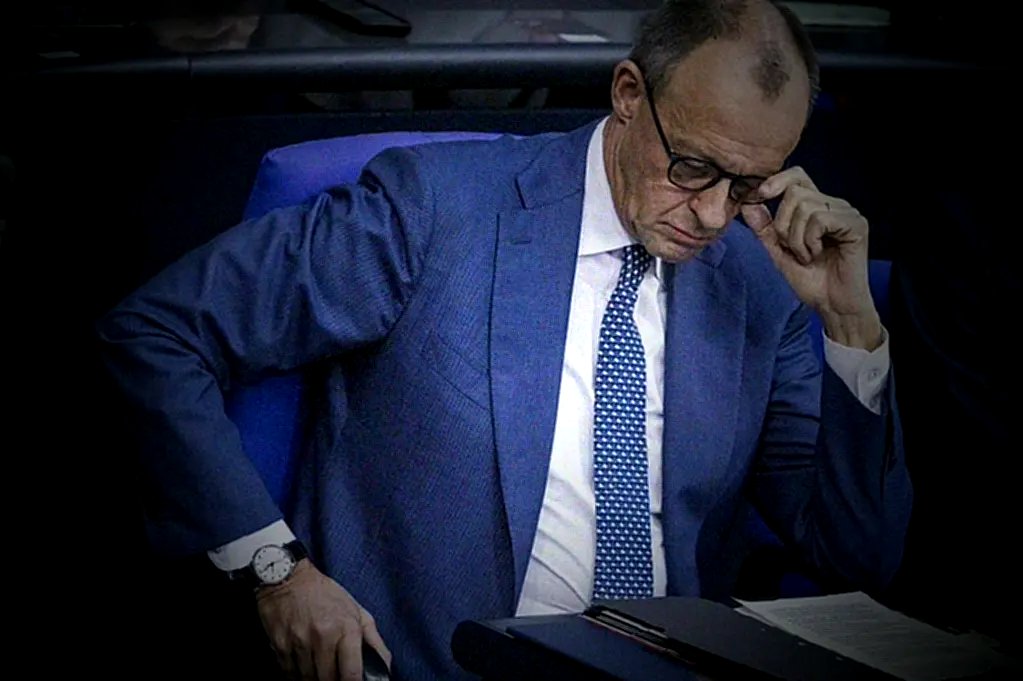
11. Friedrich Merz
Chancellor of Germany
Germany’s economic gravity ensures clout, amplified by Chancellor Friedrich Merz’s conservative pivot. He sways talks on fiscal discipline, defense, and competitiveness; Berlin’s moves compel Europe’s attention, even amid disagreements.
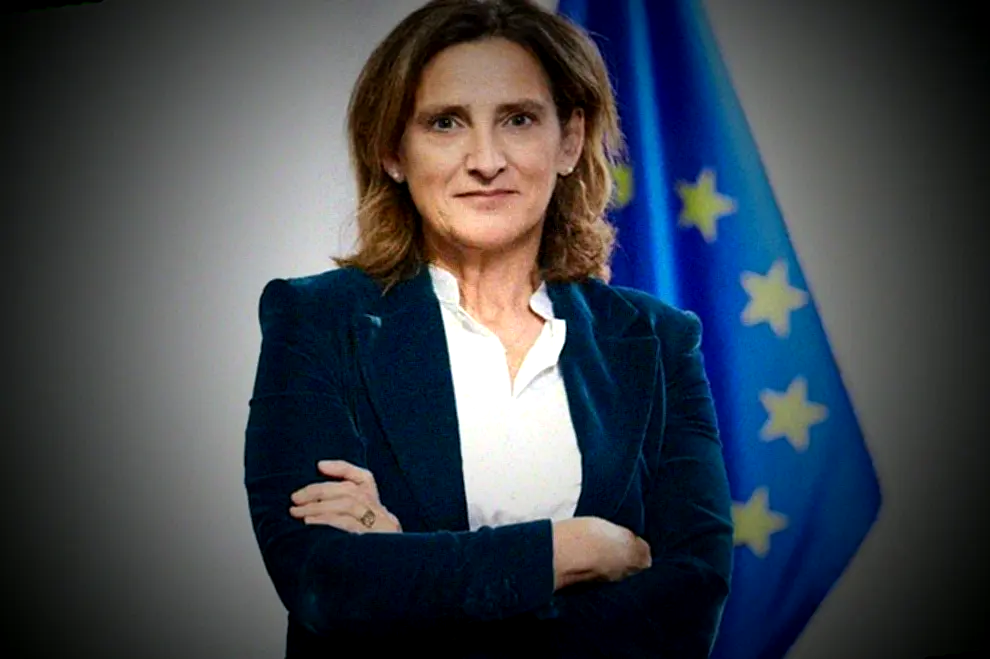
12. Teresa Ribera
Executive Vice-President of the European Commission
Climate has evolved into a core power arena, with Teresa Ribera steering the EU’s green pivot amid energy crises and competition. Her oversight merges security, economy, and emissions goals, proving environmental policy now anchors political leverage.
What This Europe Power Ranking Reveals
In 2025, Europe’s direction hinges less on star power and more on institutional gears, budgets, security imperatives, and economic steering. Headline-grabbers coexist with outcome-shapers, mapping a nuanced influence network. Tracking their interplay signals Europe’s trajectory—who rises, who adapts? For ongoing updates, follow POLITICO’s Europe coverage and EU institutional trackers.