Kate Middleton’s Most Candid Cancer Recovery Update Yet
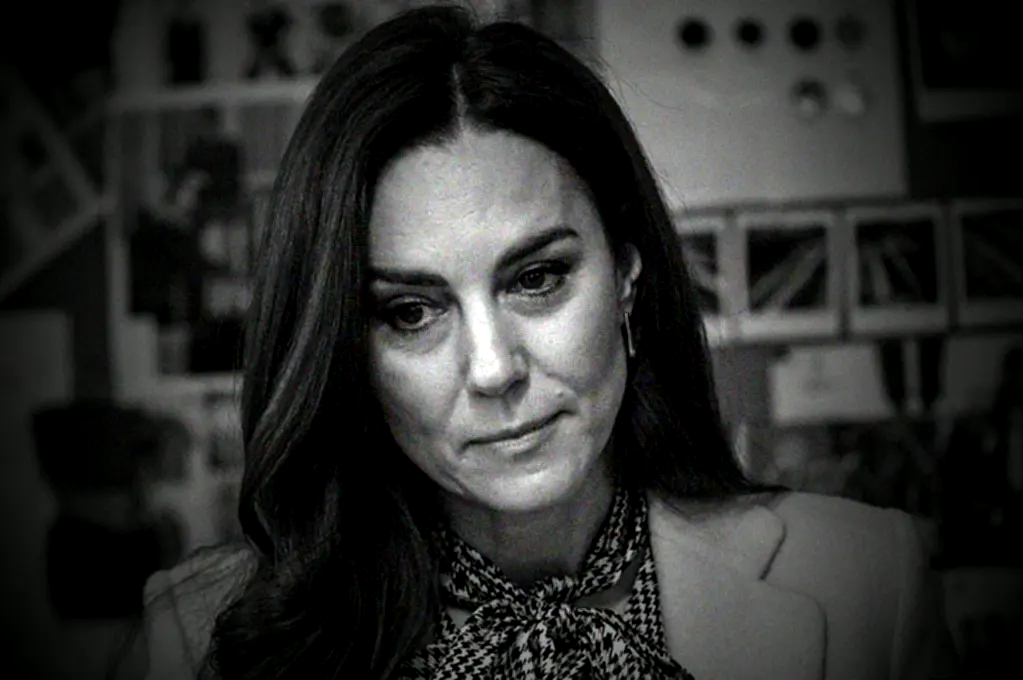
When Catherine, Princess of Wales, first revealed her cancer diagnosis in March 2024, it captivated the world. The royal family traditionally upholds a "stiff upper lip" approach with meticulously managed public messages, making Kate Middleton's cancer update a rare display of raw vulnerability. Far from a simple health announcement, she openly shared one of life's most harrowing and unpredictable phases. Now, more than a year on, her latest Princess of Wales recovery insights show she's still challenging royal conventions, offering hope to cancer survivors everywhere.
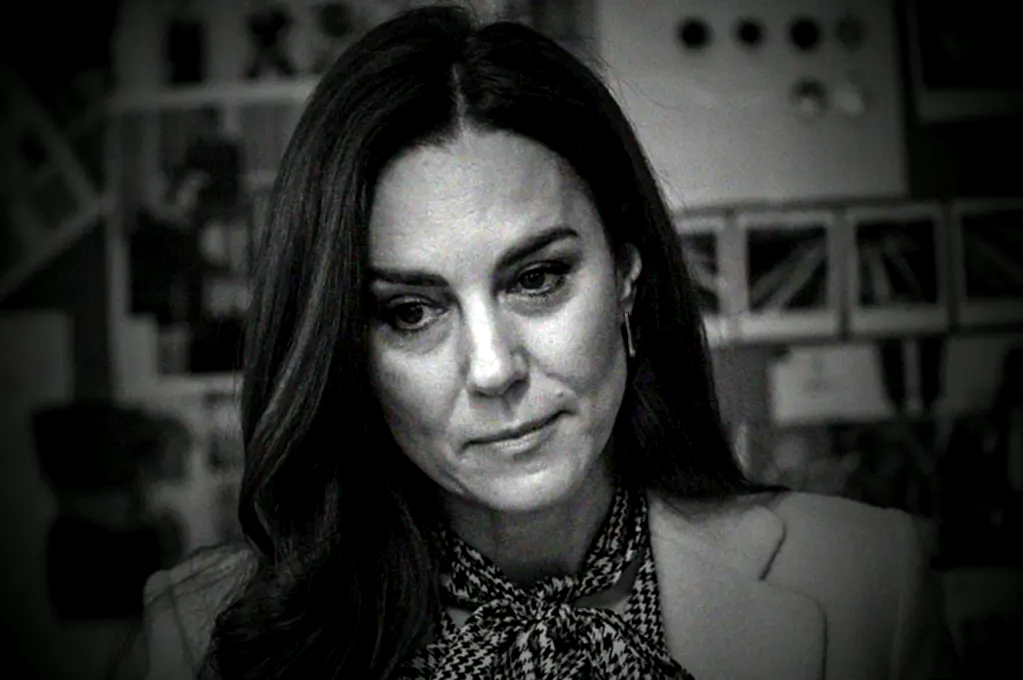
During her recent visit to Colchester Hospital, Kate Middleton delivered what felt like a groundbreaking moment for royalty: unfiltered honesty. No triumphant tales of conquering cancer or polished narratives of triumph—just genuine reflections on the complexities of post-cancer recovery and navigating this ongoing journey.
“Treatment’s done, then it’s like, ‘I can crack on, get back to normal,’ but actually, the phase afterwards is really, really difficult,” she shared candidly. “It’s a rollercoaster.” These words resonate deeply with the realities many face after treatment ends.
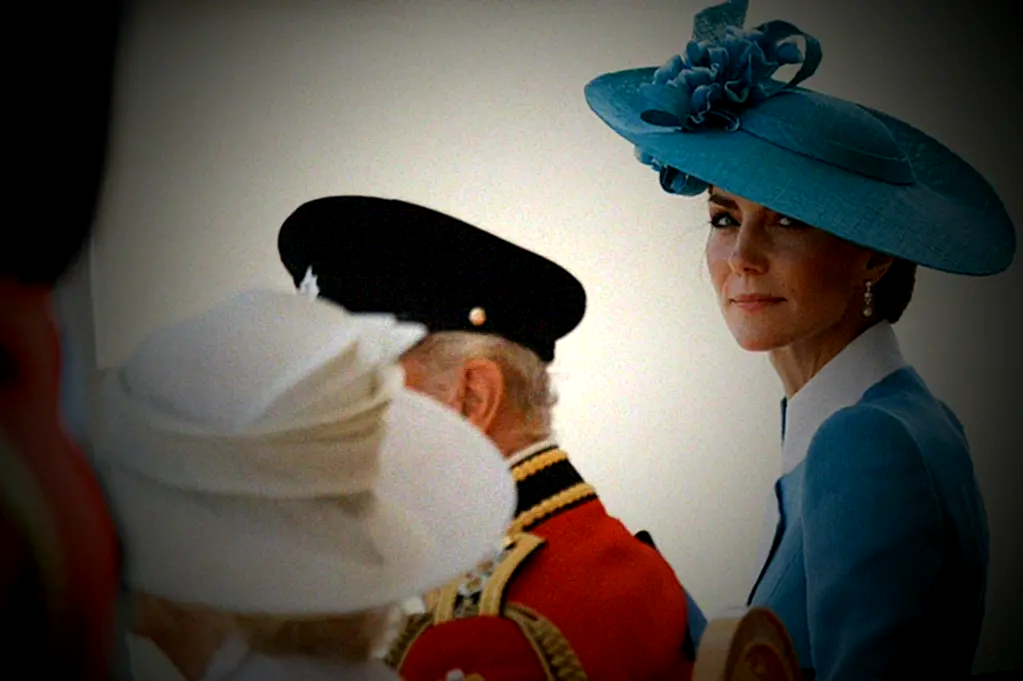
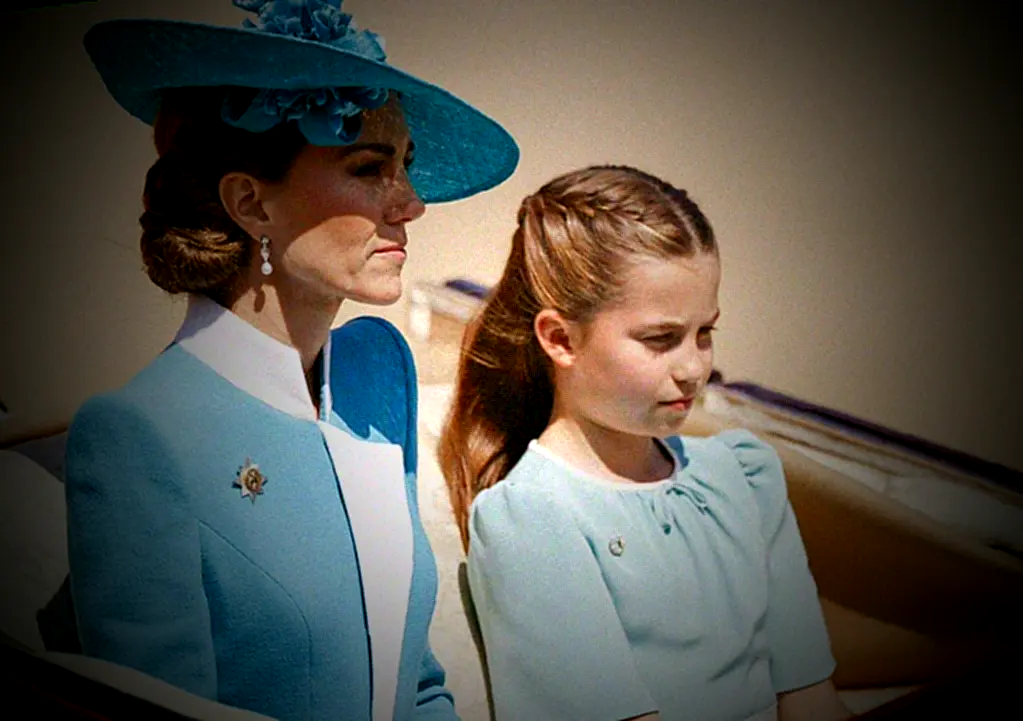
Indeed, the Princess of Wales is in remission, and she appeared radiant at recent events like Trooping the Colour and the Order of the Garter. Yet, beneath those flawless public moments and poised demeanor lies a woman immersed in the demanding recovery process—one she admits is far from complete. Have you ever felt that mismatch between outward appearances and inner struggles?
The Reality of “Afterwards”
Kate’s choice of words, specifically calling it a “rollercoaster”,perfectly captures the post-cancer recovery challenges countless survivors encounter once treatments conclude and attention fades. Expectations often dictate a swift return to normalcy post-chemo, but reality brings emotional whiplash, persistent fatigue, and the psychological weight of uncertainty. According to Macmillan Cancer Support (https://www.macmillan.org.uk/cancer-information-and-support/impacts-of-cancer/after-treatment), up to 70% of survivors deal with lingering effects like these, validating Kate's candid experience.
By highlighting this, Kate isn't just speaking for herself—she's illuminating the path for millions enduring it quietly. Few public figures address the "after" phase so openly, especially not while removing gardening gloves and planting roses with bare hands. (We'll dive deeper into that symbolic act shortly.) Her message challenges misconceptions, fostering greater awareness.
This vulnerability was deliberate, a strategic push to redefine cancer recovery conversations and dispel the myth that remission means full restoration. It's a powerful stance, backed by insights from the Royal Marsden NHS Foundation Trust (https://www.royalmarsden.nhs.uk/patient-and-visitor-information/living-cancer/follow-care), which emphasizes holistic post-treatment support.
A No-Show That Said Everything
Kate Middleton's absence from Royal Ascot in June sparked intense media speculation and concern among royal enthusiasts. Was she alright? Had the cancer returned? Was the palace concealing updates? Even aides expressed worry, with reports noting she was "fortunate to even discuss recovery," underscoring the gravity of her ordeal.
Kensington Palace clarified it was nothing alarming—after consecutive high-profile events, she prioritized rest. In a refreshing shift, putting mental and physical health first over relentless duties exemplifies true strength.
Even as a future queen, Kate Middleton asserts, “Actually, I’m tired. I need to rest.” This boundary-setting is inspiring for anyone in recovery.
Her approach reminds us that self-care isn't optional—it's essential. Tip: Listen to your body like Kate does; schedule downtime without guilt.
How She’s Healing: Roses, Acupuncture, and Saying No
At Colchester Hospital, Kate disclosed using acupuncture—a therapy she relied on during pregnancies—to ease her post-cancer physical and emotional symptoms. This holistic method, supported by Cancer Research UK (https://www.cancerresearchuk.org/about-cancer/treatment/complementary-alternative-therapies/individual-therapies/acupuncture), aids many in managing side effects like fatigue and anxiety beyond conventional medicine.
She also planted “Catherine’s Rose” to honor patients, staff, and her patronage of the Royal Marsden Cancer Charity. This heartfelt act symbolized resilience while channeling her energy meaningfully.
Kate's strategy now centers on selective, impactful engagements—like backing Children’s Hospice Week—over exhaustive schedules. She's redefining royal duties by prioritizing health-driven causes, proving purposeful presence trumps appearances for headlines.
The Bigger Message: You Don’t Just “Bounce Back”
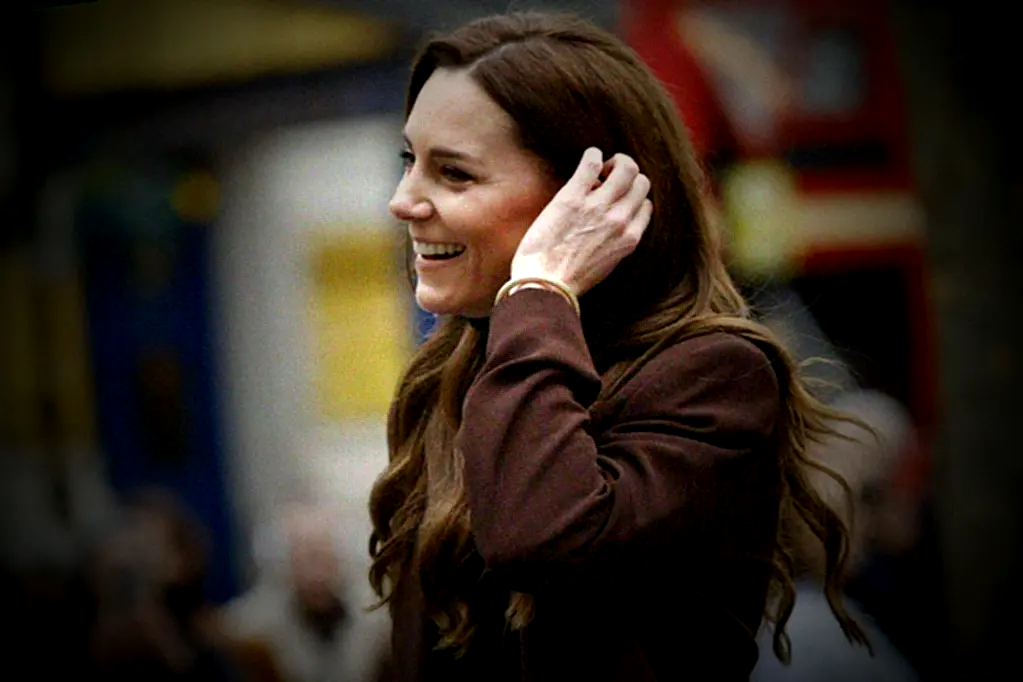
This evolved, post-cancer Kate Middleton is more approachable and forthright, forging deeper connections than many royals before her. No longer defined solely by glamour and designer gowns, she's a survivor confronting mortality and embracing recovery's raw side—fatigue, doubts, and all.
She teaches that faking wellness isn't required, rest needs no apology, and perfect stories aren't owed. When she skips events, it's a cue for compassion: recovery is personal, not performative. Take her lead—prioritize your healing journey. Share your recovery tips or stories below for community support.