TikTok Mom's Raw Postpartum Journey Fights Unrealistic Post-Pregnancy Body Standards
Nobody maintains a perfect body image all the time. Even the most confident individuals grapple with self-esteem challenges tied to their bodies. Influences like family comments on body image, exposure to Hollywood's absurd beauty standards, and social media's filtered ideals can deeply impact us. Add in past experiences such as school bullying or teasing, and it's clear why body positivity remains a vital conversation, especially for postpartum journey navigators.
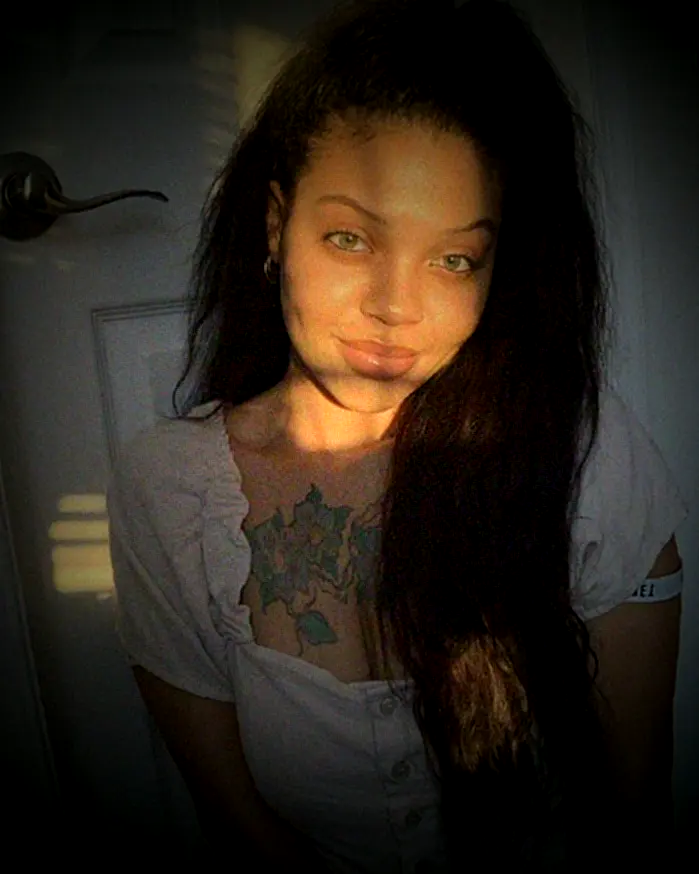
We all harbor an inner critic, but learning to silence that harsh voice—or ignore online haters—is essential. Pregnancy brings immense expectations for women to "bounce back" instantly after nine months of nurturing a baby. Yet, this toll is real and varied. That's why influencers like Danisha Lestaevel are reshaping the narrative, promoting realistic post-pregnancy standards and helping normalize post-baby bodies through authentic sharing.
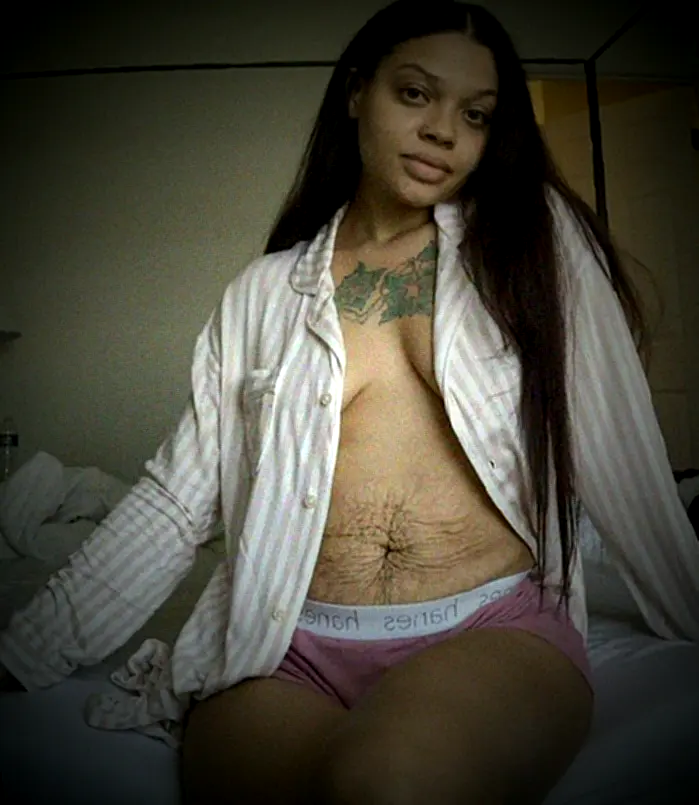
In a heartfelt Instagram caption, Danisha Lestaevel wrote, “If you’re at your lowest, feeling down about your body, remember your beautiful children that see no flaws, you’re loved. If you don’t have children, remember that our bodies do so much for us daily, you’re beautiful and you’re loved.” This message underscores body positivity for new moms facing postpartum body changes.
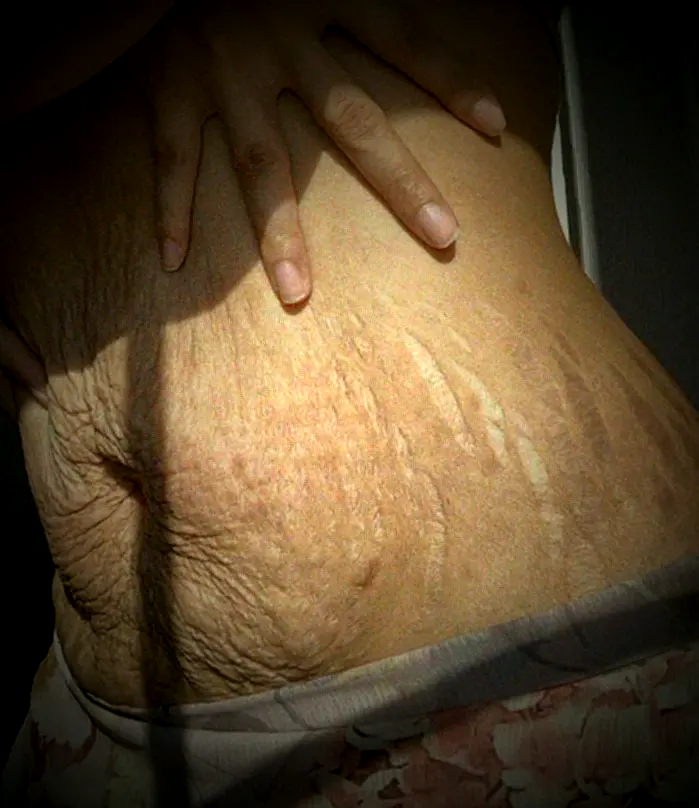
Her TikTok video series has amassed over 19 million views, showcasing an unfiltered, unedited postpartum journey. Danisha challenges the unrealistic portrayals in movies, Hollywood, and social media, where celebrities with endless resources set impossible benchmarks. All postpartum bodies differ—stretch marks, wrinkles, and shifts are normal, not flaws. Scolding yourself for your body's miraculous feat of birth goes against self-love after pregnancy. According to the American College of Obstetricians and Gynecologists (ACOG), postpartum recovery varies widely and takes time: [ACOG Postpartum Care Guidelines](https://www.acog.org/womens-health/faqs/postpartum-care).
Snapback culture fuels toxic pressure and competition among women, when we should uplift one another. How often do magazine covers celebrate "toned" bodies weeks post-birth, ignoring mental health? Society prioritizes aesthetics over well-being. Thankfully, voices like Danisha's expose snapback culture criticism, advocating for kinder expectations. A study in the Journal of Women's Health highlights how such pressures harm maternal mental health: [PubMed Study on Postpartum Body Image](https://pubmed.ncbi.nlm.nih.gov/ postpartum-body-image-study).

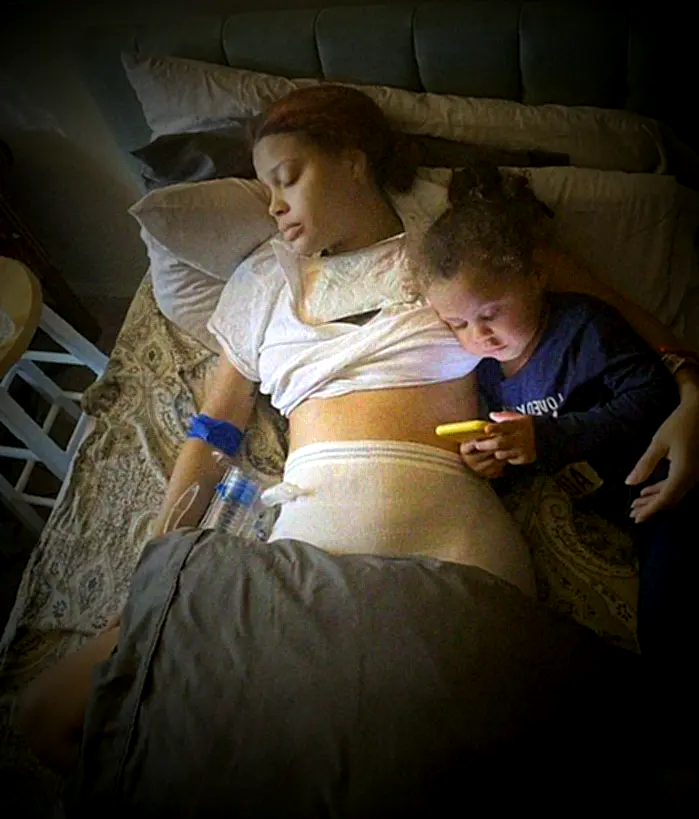
In 2020, amid health battles, Danisha underwent major surgery three times under general anesthesia, isolated by COVID-19 rules barring family. She shared on social media: “You come first, take care of yourself mentally and physically!” Emphasizing never to judge others' unseen struggles, she promotes empathy in body positivity discussions.
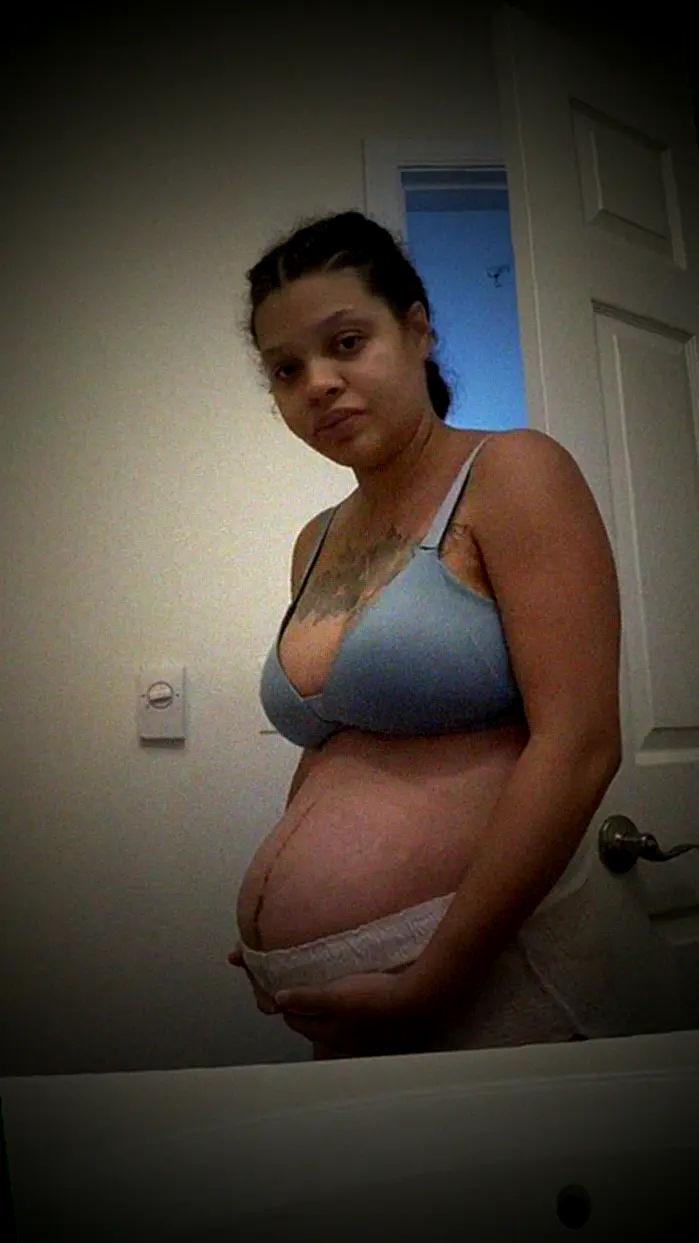
Her video series details postpartum progress, captioning how moms endure dramatic body changes rapidly. Danisha urges kindness, patience with new body versions, and curating social feeds—unfollow accounts that trigger negativity. Body positivity thrives on selective exposure. Tip: Audit your follows weekly for mental health boosts during post-partum recovery.
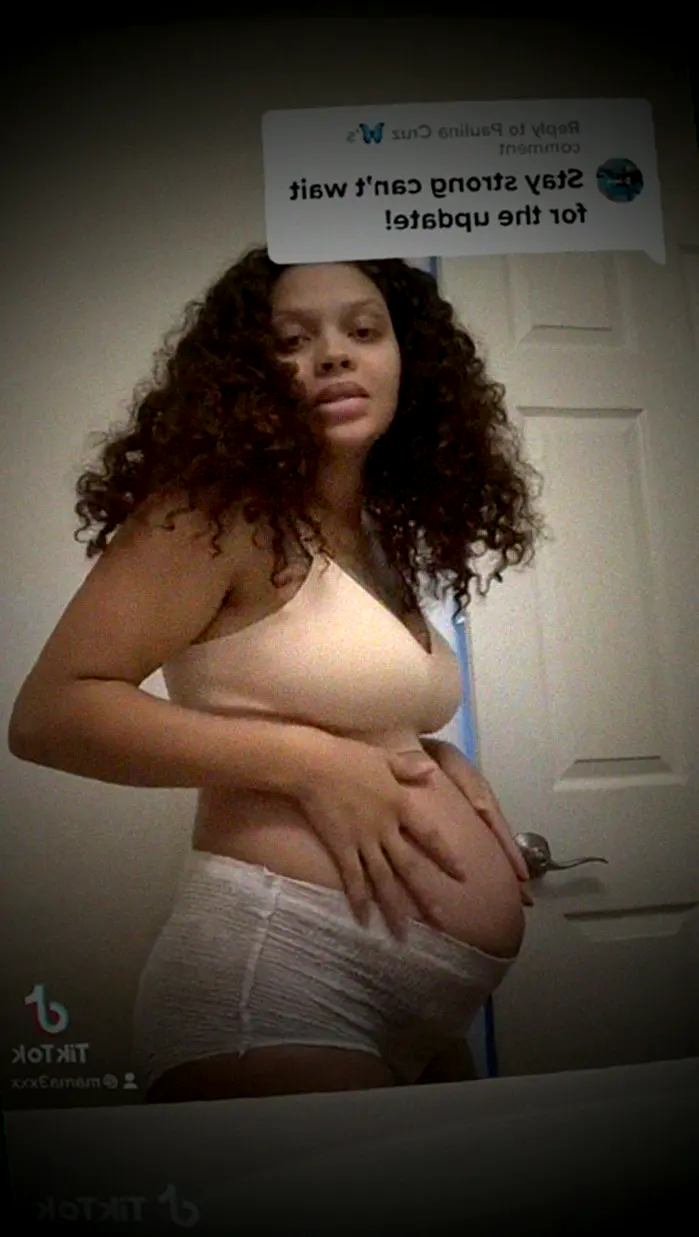
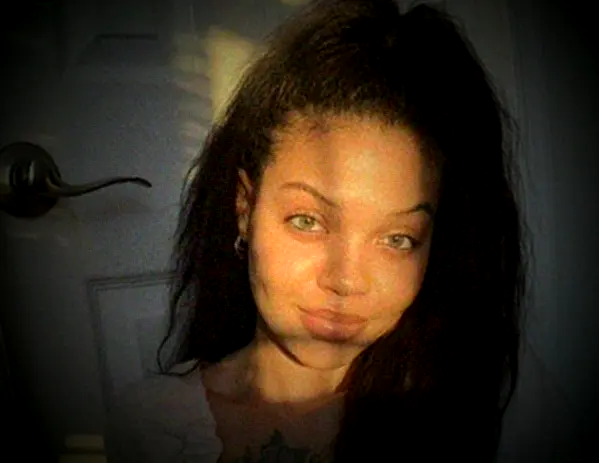
Her one-week postpartum photo hit over 300,000 views. Lestaevel reflected, “When we berate ourselves for some aspect of our being, whether physical or otherwise, we put ourselves into a state of energetic resistance. Simply put, that means we are going against our own energetic flow.” This insight encourages fighting beauty standards with acceptance.
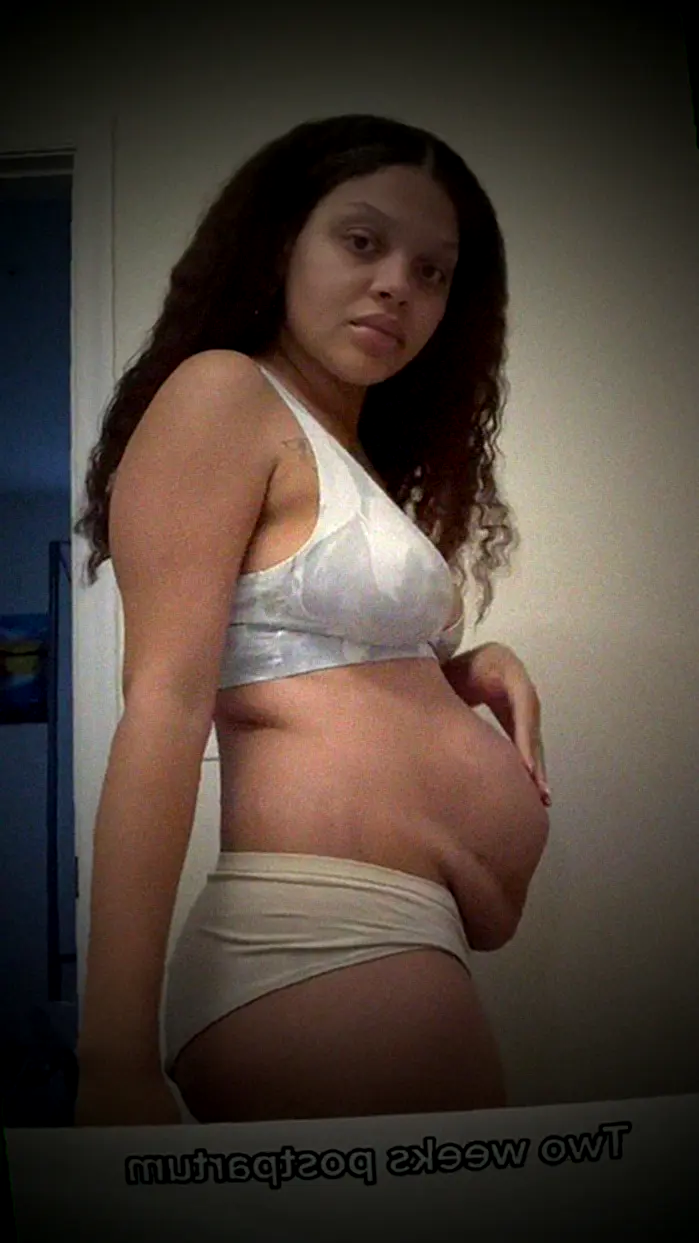
By two weeks postpartum, views neared 16 million. She reminds us to appreciate the body's daily miracles—like sustaining life—and accept it neutrally, without extremes. “Our bodies were designed to ‘be’ and ‘do’ rather than look a certain way,” she says. Celebrating birth's wonder fosters self-love pregnancy long-term.
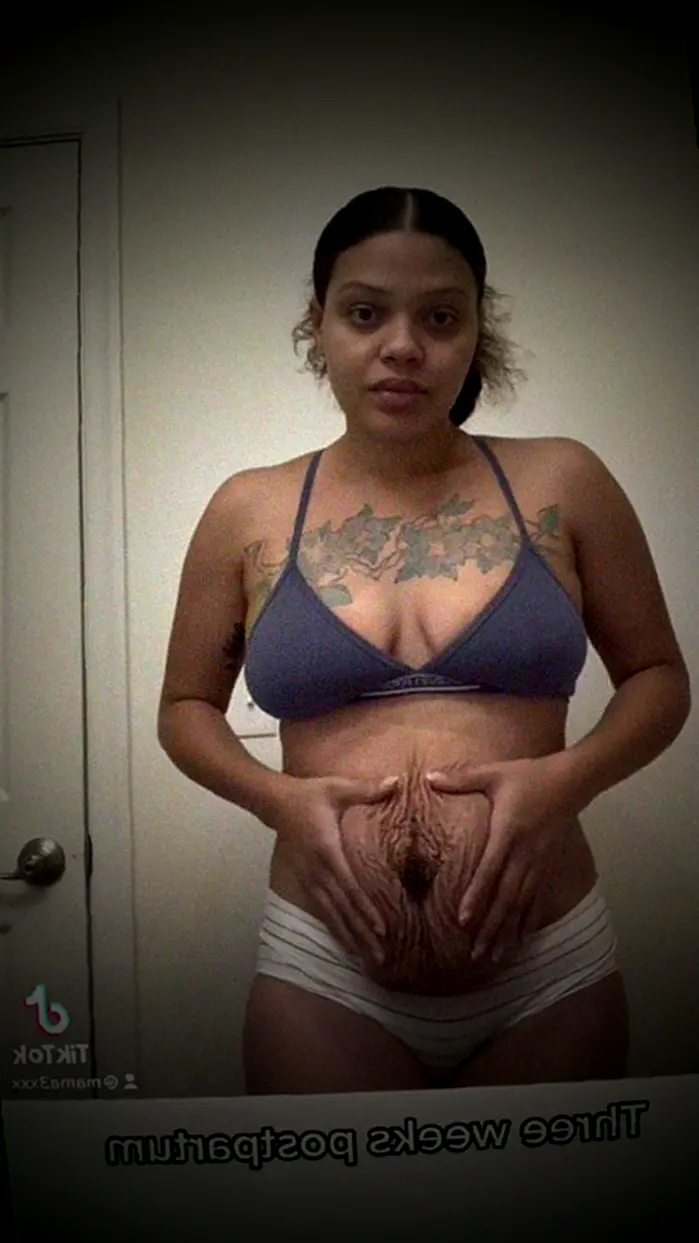
At three weeks, her image displaying wrinkles and stretch marks exceeded 19 million views. Reactions varied: praise for honesty in normalizing post-baby bodies, shock from some (“I’m never having children”), and admiration for maternal strength. It reveals progress in body image after birth, but more work needed. Resources like Postpartum Support International offer support: [Postpartum Support International](https://www.postpartum.net).
Danisha Lestaevel’s perspective enlightens: pregnancy and birth transform lives— a sacrifice and blessing worth celebrating. Follow her for ongoing inspiration, share your story below, and join the movement for realistic post-pregnancy standards. What’s one way you practice body positivity today?