7 Healthy and 7 Risky Ways to Eat Eggs for Optimal Nutrition

Eggs truly qualify as a superfood, packed with high-quality protein, essential vitamins, and healthy fats. Far beyond just breakfast, they're versatile for any meal, from quick snacks to gourmet dishes like breakfast burritos or elegant soufflés. However, preparation methods can elevate or undermine their nutritional value—some preserve all the goodness, while others add excess saturated fats and sodium. If you're aiming for healthier eating without ditching eggs, understanding these healthy ways to eat eggs versus risky ones is key. According to the USDA FoodData Central, a single large egg delivers about 6 grams of protein and vital nutrients like choline for brain health (USDA FoodData Central: Eggs).
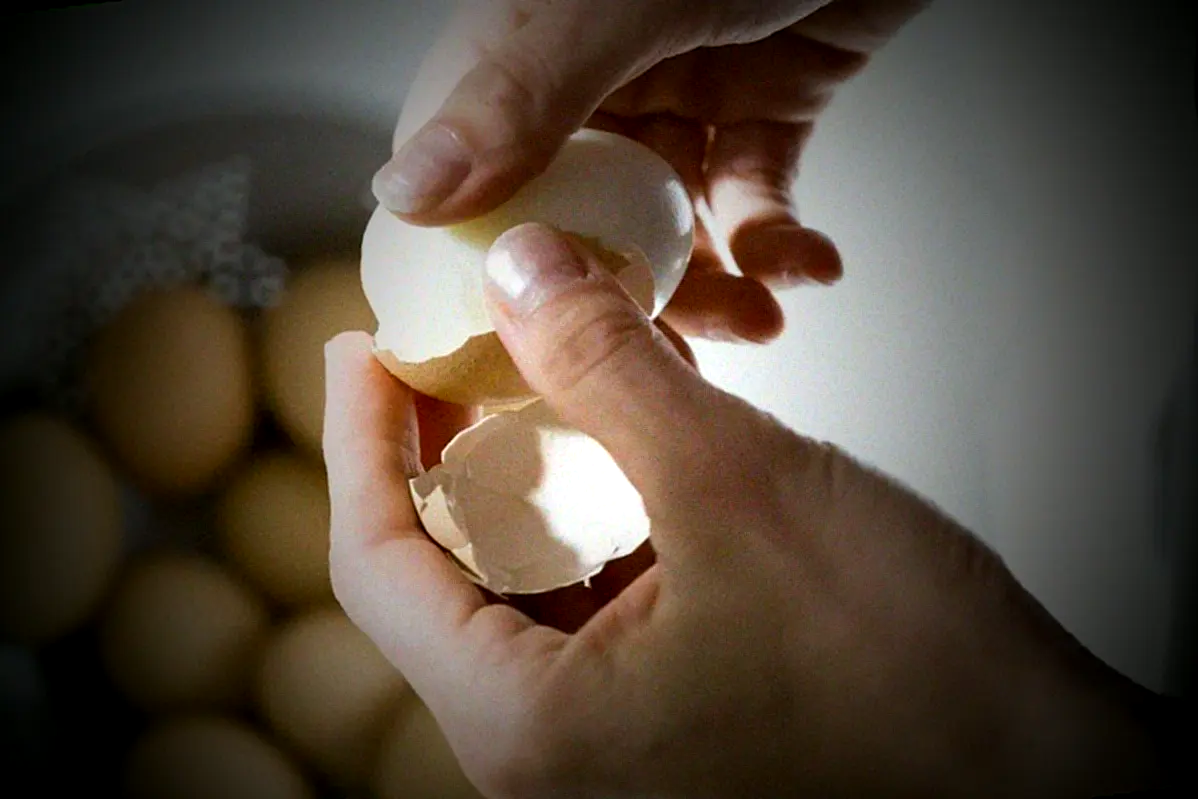
Healthy: Boiled Eggs
Boiled eggs stand out as one of the healthiest and simplest egg cooking methods. No added oils, butter, or extras—just pure nutrition with 6 grams of protein, beneficial fats, and B vitamins like B12 for energy. They're perfect as a portable healthy snack, or slice them into salads, sandwiches, or as a meal side for extra protein boost. Versatility makes them ideal for busy days. Tip: Prep a batch ahead for the week. And don't toss the yolk without medical advice—the yolk houses most vitamins, minerals, and healthy fats. Harvard T.H. Chan School of Public Health debunks old myths: moderate egg intake doesn't raise heart disease risk for most people, thanks to good cholesterol sources (Harvard Health: Are eggs risky for heart health?).
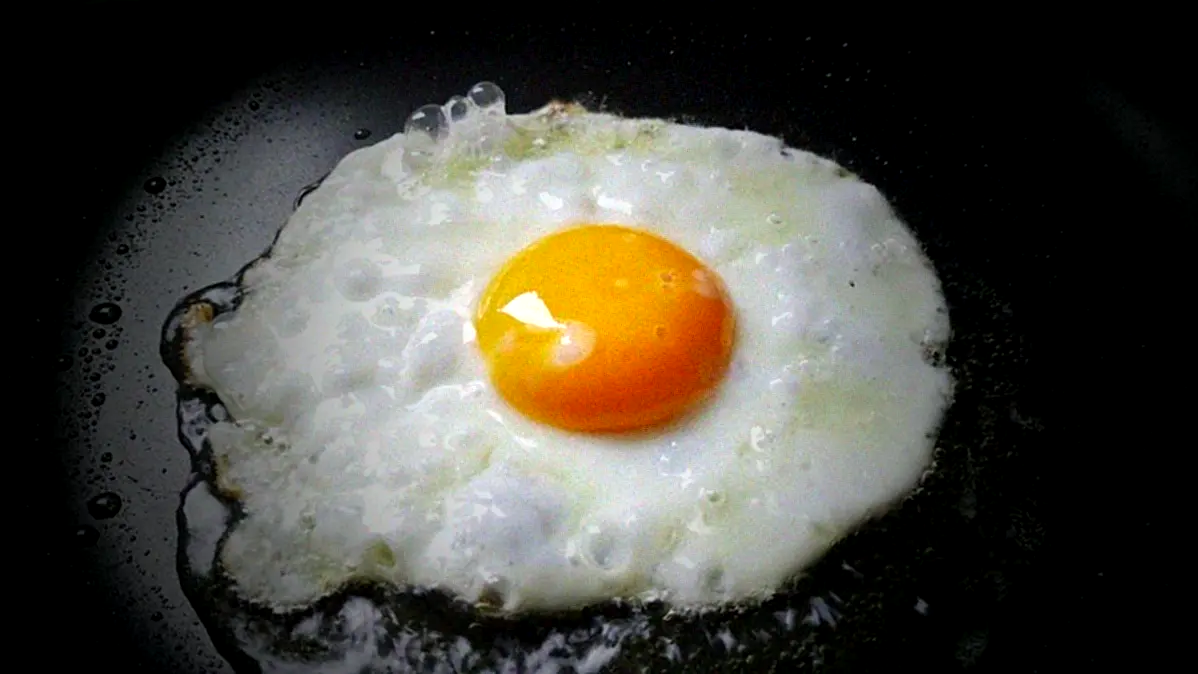
Unhealthy: Fried Eggs
Fried eggs tempt with their crispy edges and rich taste, but dropping them into sizzling butter piles on saturated fats, especially with generous amounts. This can tip the scales toward heart health concerns. That said, enjoy them occasionally—opt for a nonstick pan with minimal avocado or olive oil, as recommended by the Mayo Clinic for better fat choices (Mayo Clinic: Heart-healthy diet).
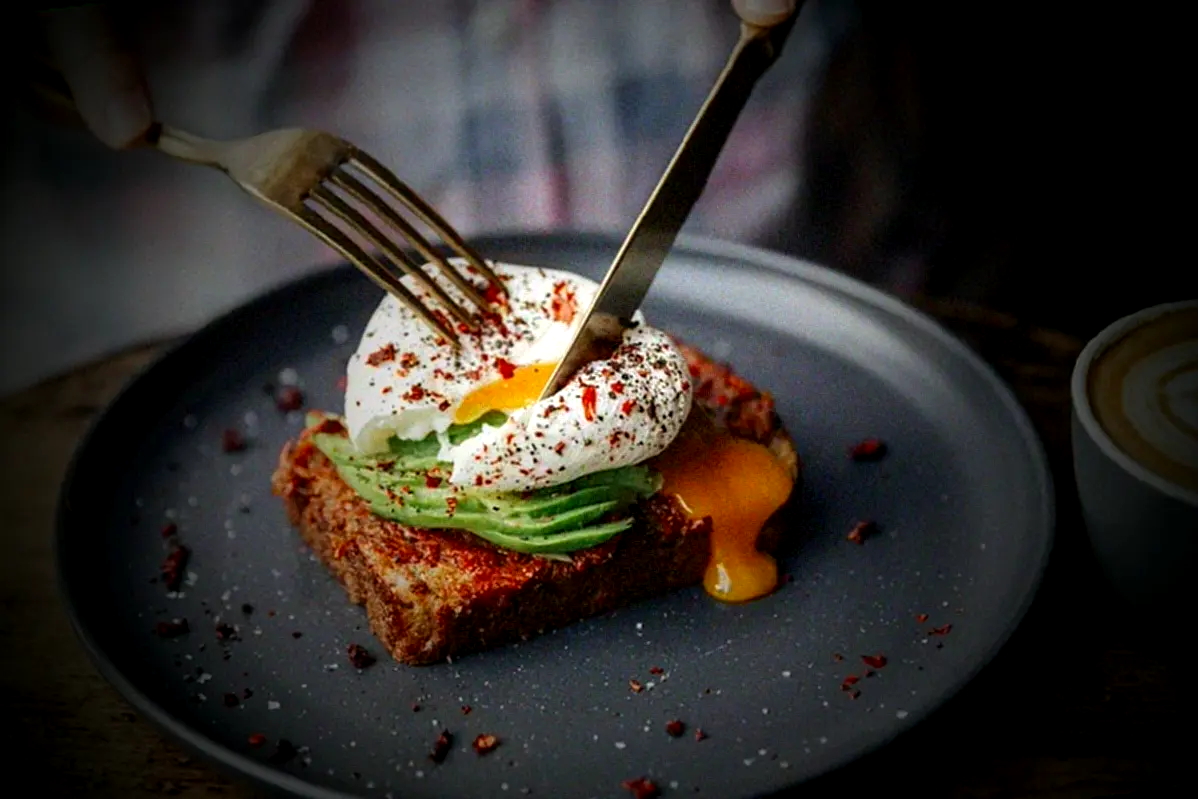
Healthy: Poached Eggs
Poached eggs offer cafe-style elegance without the calories—no oil or fat needed, just a silky yolk ready to burst. They're among the top healthy ways to eat eggs, retaining full nutrients. New to poaching? Swirl simmering water, gently add the egg—no vinegar required. Check online tutorials for foolproof tips. Pair with whole-grain toast or veggies for a complete meal.
Unhealthy: Scrambled Eggs
Scrambled eggs can be nutritious but often become calorie-heavy with cream, cheese, or butter, mimicking richer dishes. Healthier twist: Use skim or plant milk, fold in spinach or kale, and nonstick spray for creaminess without the load. Gordon Ramsay fans, indulge rarely—but prioritize health daily.

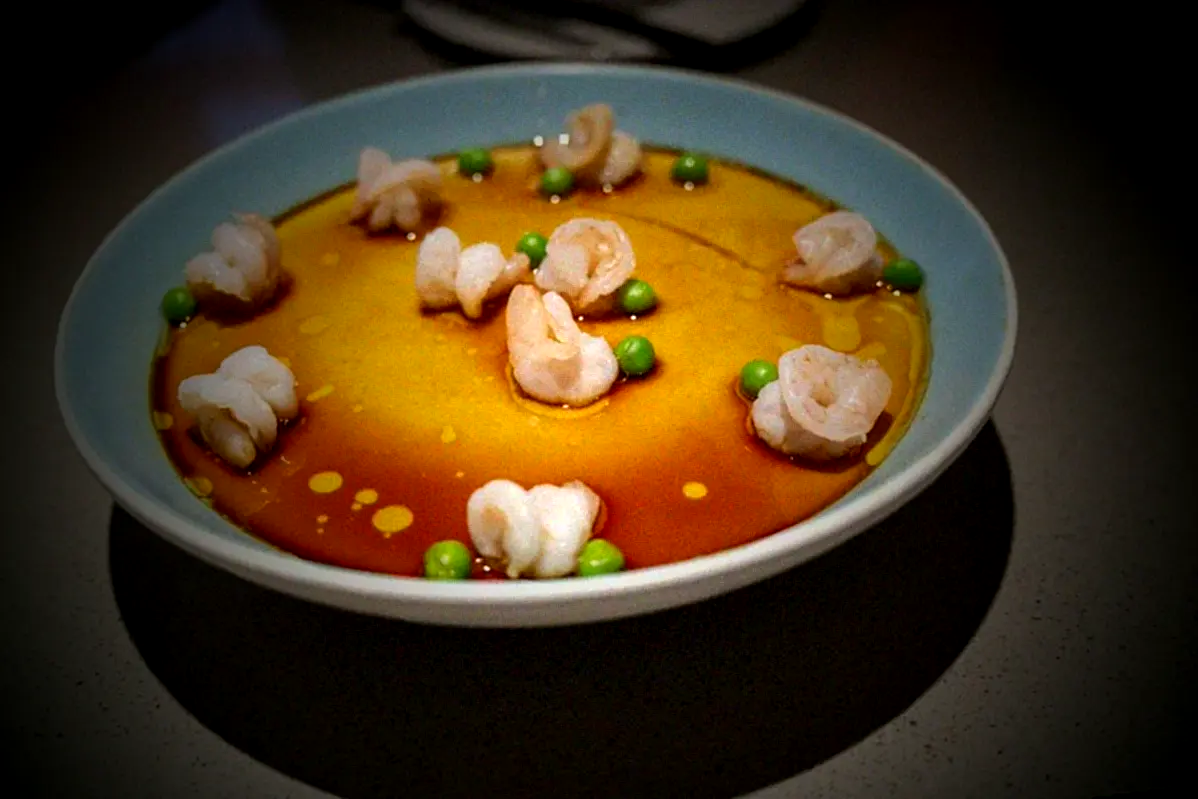
Healthy: Steamed Eggs
Steaming eggs is an underrated gem, mirroring boiling's fat-free benefits with a softer, custard-like texture that preserves egg nutrition facts. Top with low-sodium soy or chili oil for flavor. Dust off your steamer—it's quick and adds variety to low-fat egg preparation.
Unhealthy: Egg Soufflé
Egg soufflés impress with sophistication but load up on butter, cream, cheese, and flour, challenging cholesterol goals. Rare treats are fine, but lighten with skim milk, reduced cheese, and veggies like spinach for balance.

Healthy: Baked Eggs (Not in Cake)
Baked eggs shine in veggie-packed dishes—crack over roasted peppers, zucchini, and onions, bake till set. Minimal oil needed, absorbing flavors for nutrient-dense eggs. Try this easy recipe: Preheat oven to 375°F, roast veggies 15 minutes, add eggs, bake 8-10 more. Cozy, simple, and heart healthy.
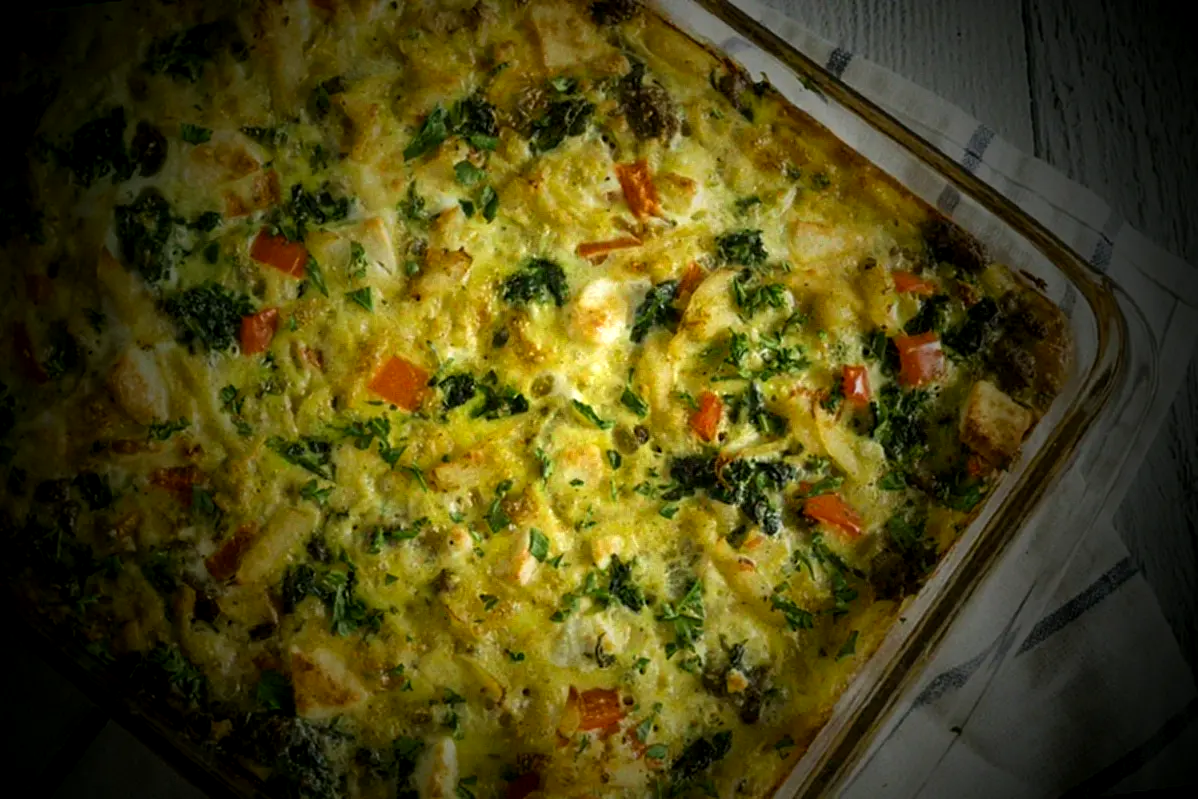
Unhealthy: Store-Bought Quiche
Store quiches lure with golden appeal but hide cheese, cream, and buttery crusts. Homemade versions rule: Crustless or whole-grain, milk-based filling, veggie-loaded. Tastes indulgent, stays light.
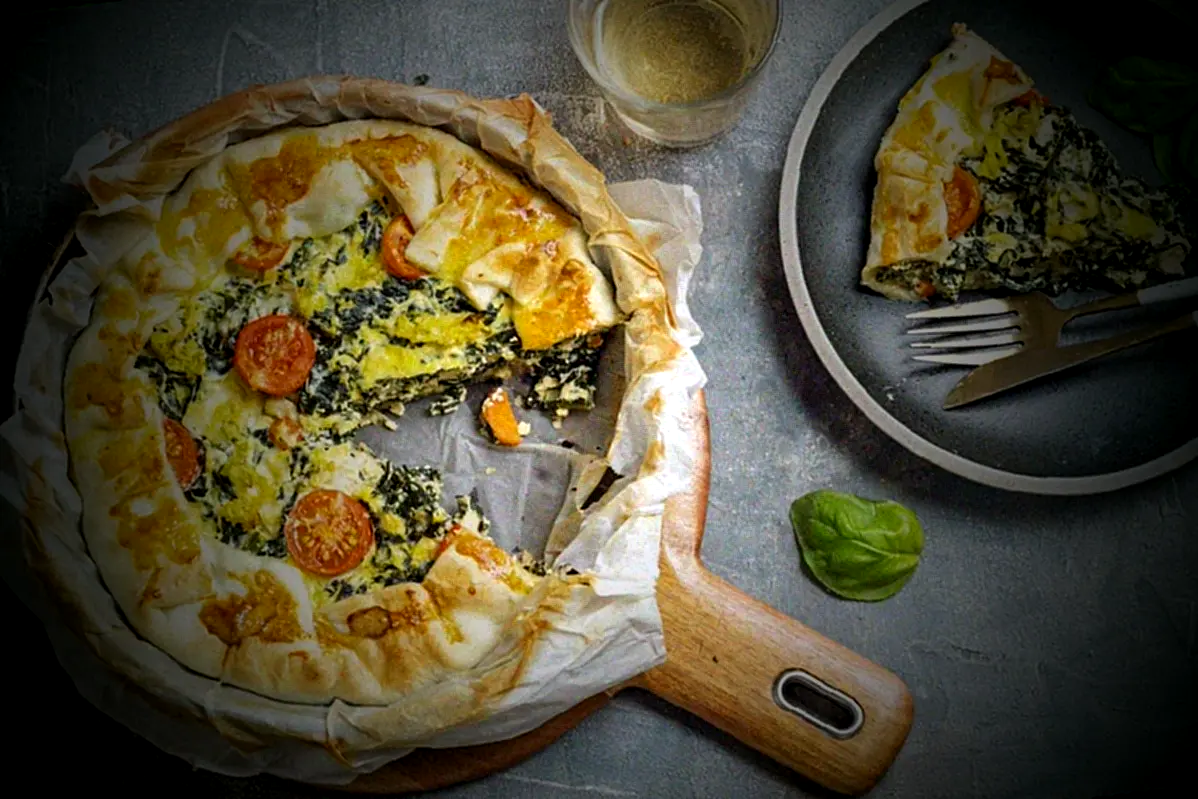
Healthy: Microwaved Eggs
Microwaves get a bad rap, but they're excellent for quick, nutrient-preserving egg cooking methods—short heat exposure saves B2 and folate. Mug method: Whisk egg with spinach, pepper; microwave 1-2 minutes, stir. Under 2 minutes to protein-packed goodness.
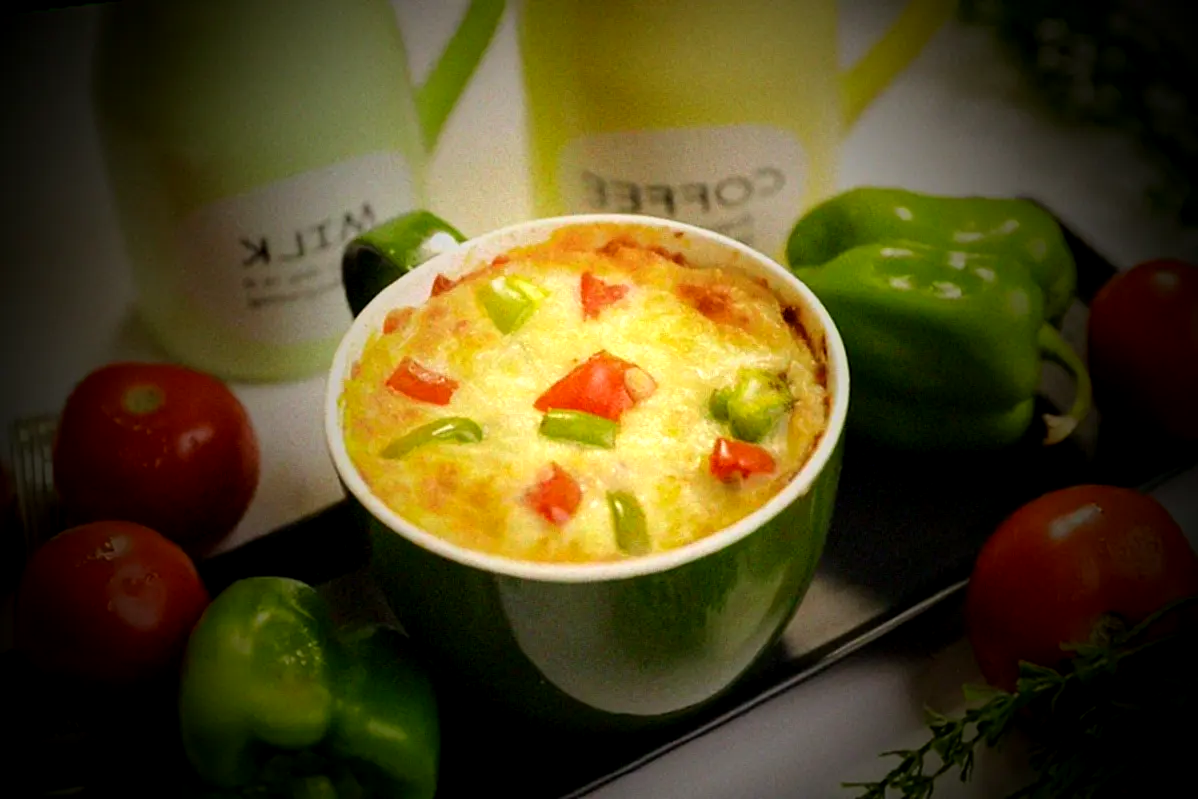
Unhealthy: Deviled Eggs
Deviled eggs seem snack-sized healthy, but mayo fillings spike fats. Swap for Greek yogurt: Creamy, protein-boosted, probiotic-rich. Keep mustard and paprika—party-ready and lighter.

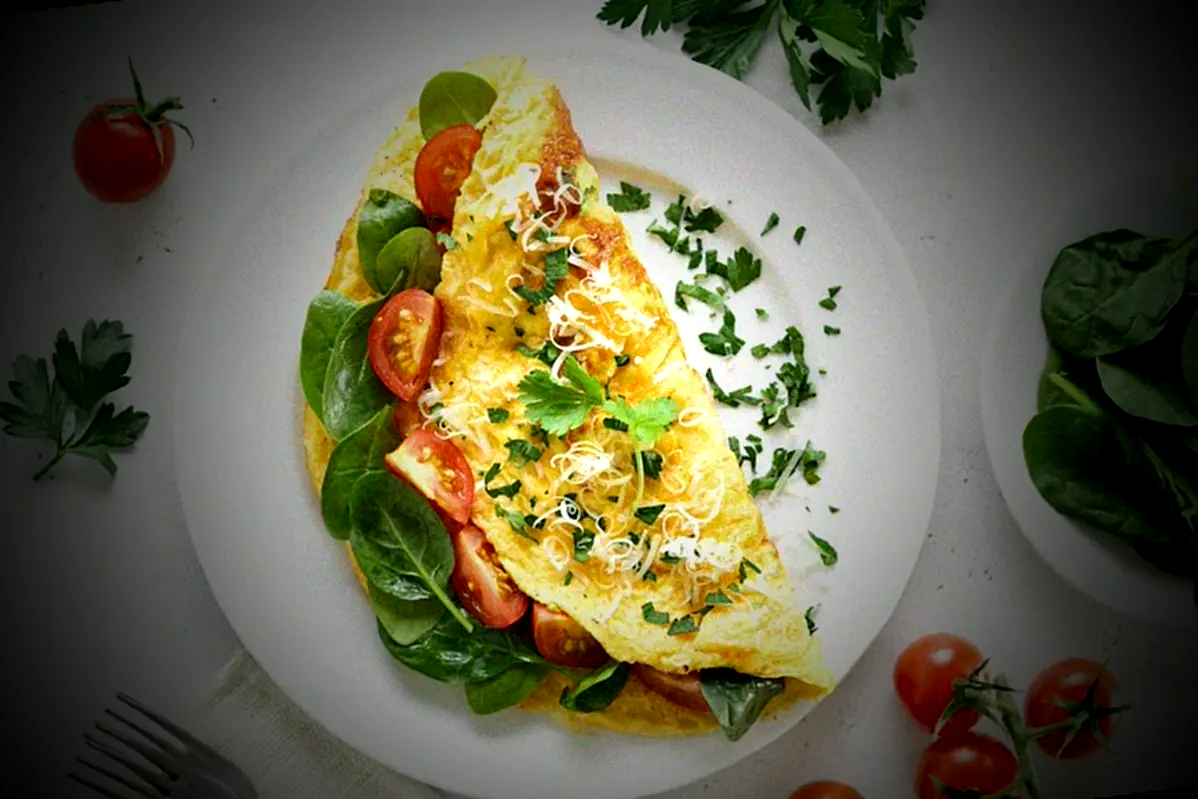
Healthy: Omelette
Omelettes are fridge-raiders' dreams: Sauté mushrooms, tomatoes, spinach in olive oil for balanced, protein-rich eggs. Skip or sprinkle cheese sparingly. Question: What's in your fridge? Turn it into a nutritious meal.
Unhealthy: Deep-Fried Eggs
Deep-fried eggs exist but sabotage health—oil absorption skyrockets calories, burying benefits. Pan-fry lightly or air-fry instead for crunch without grease.

Healthy: Greek Yogurt Egg Salad
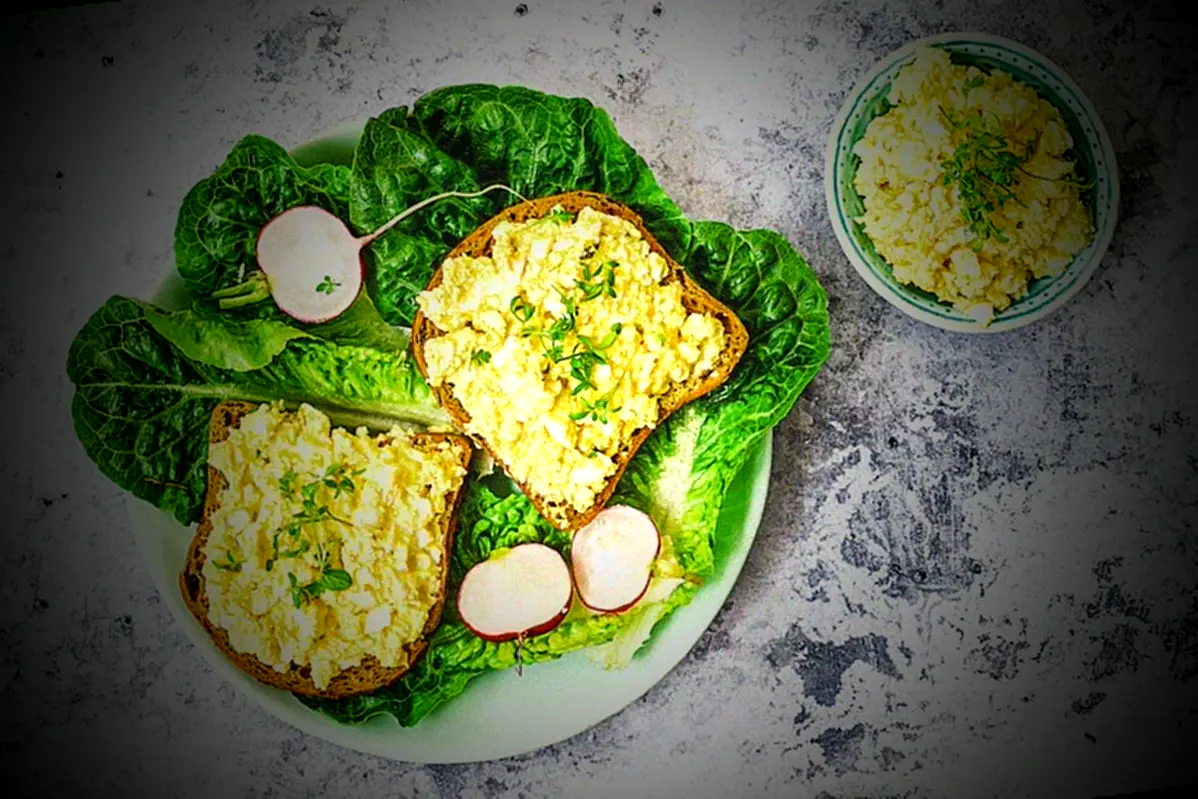
Ditch mayo for Greek yogurt in egg salad: Creamier, with added protein, calcium, probiotics. Mix in celery, onions; serve on whole-grain or lettuce. No-regret sandwich upgrade.
Unhealthy: Pickled Eggs
Commercial pickled eggs pack sodium—up to 20% daily limit per egg. DIY: Vinegar-sprinkled boiled eggs with minimal salt for tang without excess.

Eggs rank among top protein-rich foods, but smart preparation maximizes benefits. No nutrition degree needed—choose boiled, poached, baked, or steamed for healthy ways to eat eggs. Skip deep-frying. Incorporate these tips daily for better health. Ready to try a new method today?