The Unspoken Struggles of Royal Childhoods
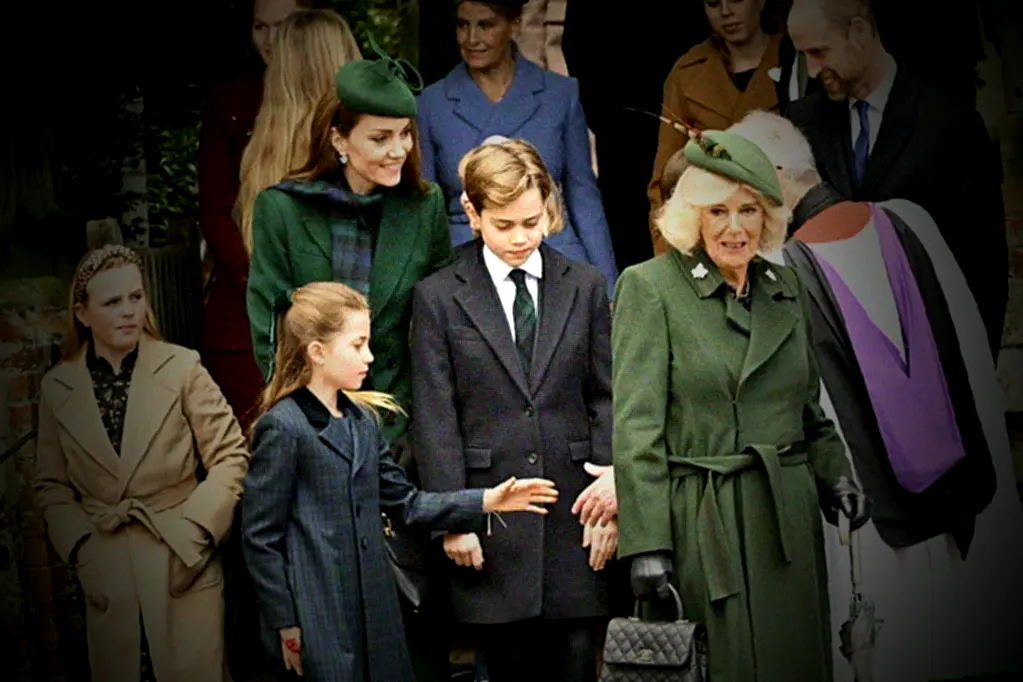
While many dream of a royal childhood as kids, the reality brings hidden downsides like rigid rules, inability to keep stranger gifts, and scrutiny from billions who've never met them. Movies glamorize princes and princesses, but royal childhood struggles reveal darker, tragic aspects of this lifestyle. From public comparisons to emotional isolation, these challenges shape young royals in profound ways. For deeper insights, see BBC's coverage on royal family dynamics (bbc.com/royal-family-pressures).
Royal siblings are often compared to each other
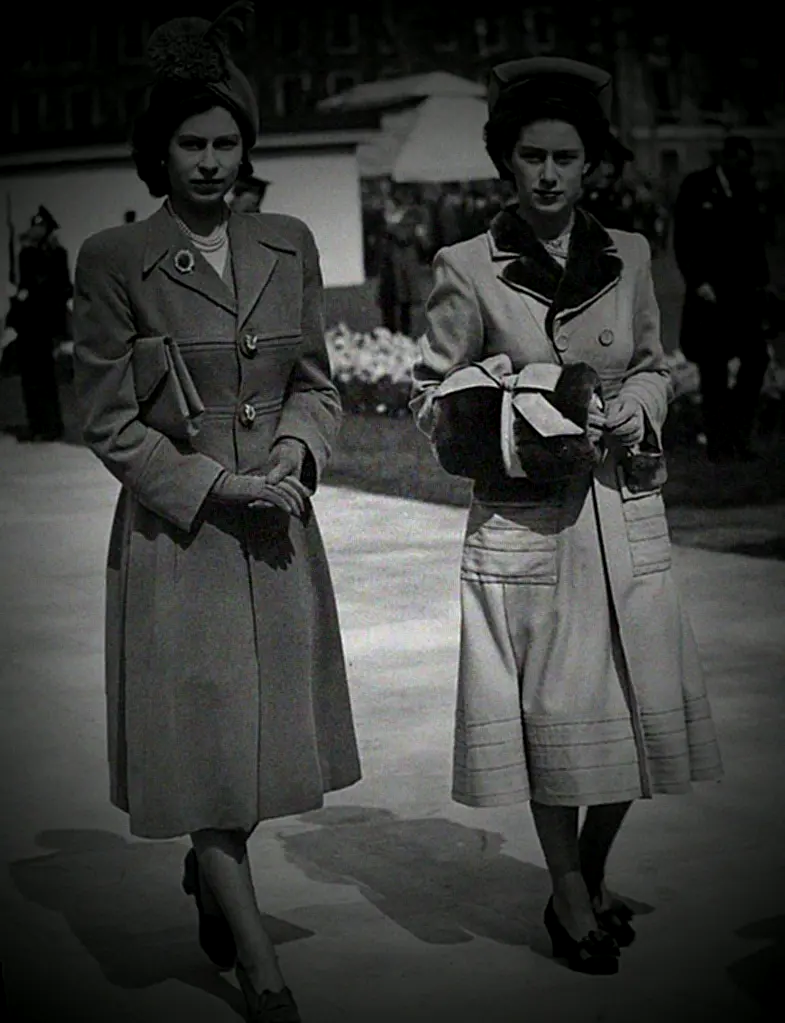
Siblings everywhere face comparisons, but for royals, they're splashed across global headlines, straining relationships and self-esteem. Prince William and Prince Harry, both echoing Princess Diana's traits, endured this spotlight. Similarly, Princess Margaret was labeled “childish” and “unmanageable” compared to Queen Elizabeth II, as noted in Alathea Fitzalan Howard's journal. Such public royal siblings comparison can foster lifelong tensions—have you ever wondered how it affects family bonds? Royal biographer Robert Lacey's "Battle of Brothers" details this rift (harpercollins.com/battle-of-brothers).
Royal children had difficulties connecting with their schoolmates
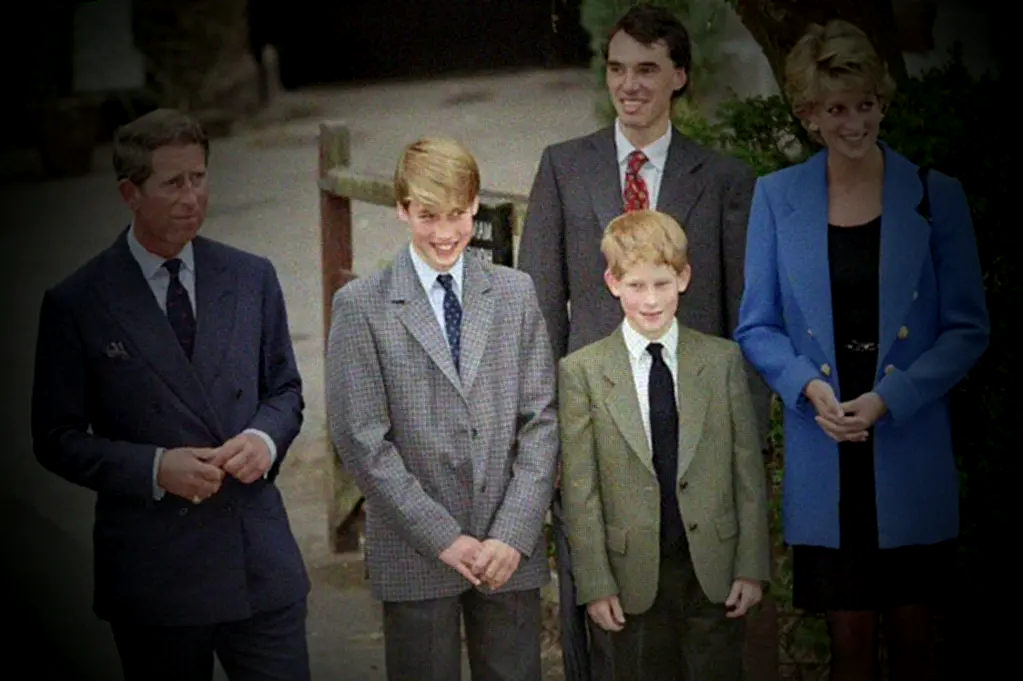
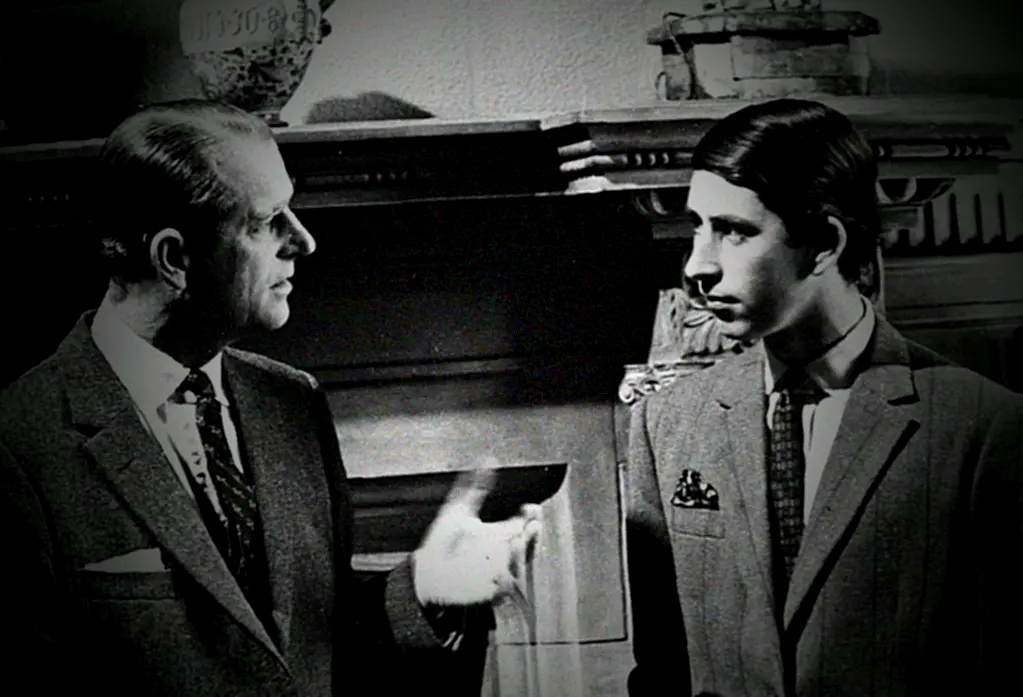
Education is a royal cornerstone, yet it often isolates children. Prince Philip, scarred by his own tough boarding school days, sent King Charles to Gordonstoun hoping it'd build resilience. Critics called Philip “cruel,” but Charles dubbed it “absolute hell” amid the harsh regime. This highlights royal kids boarding school hell, where fitting in proves elusive. Modern royals prioritize balanced schooling to avoid such pitfalls, blending tradition with empathy.
Nannies raise royal kids instead of their parents
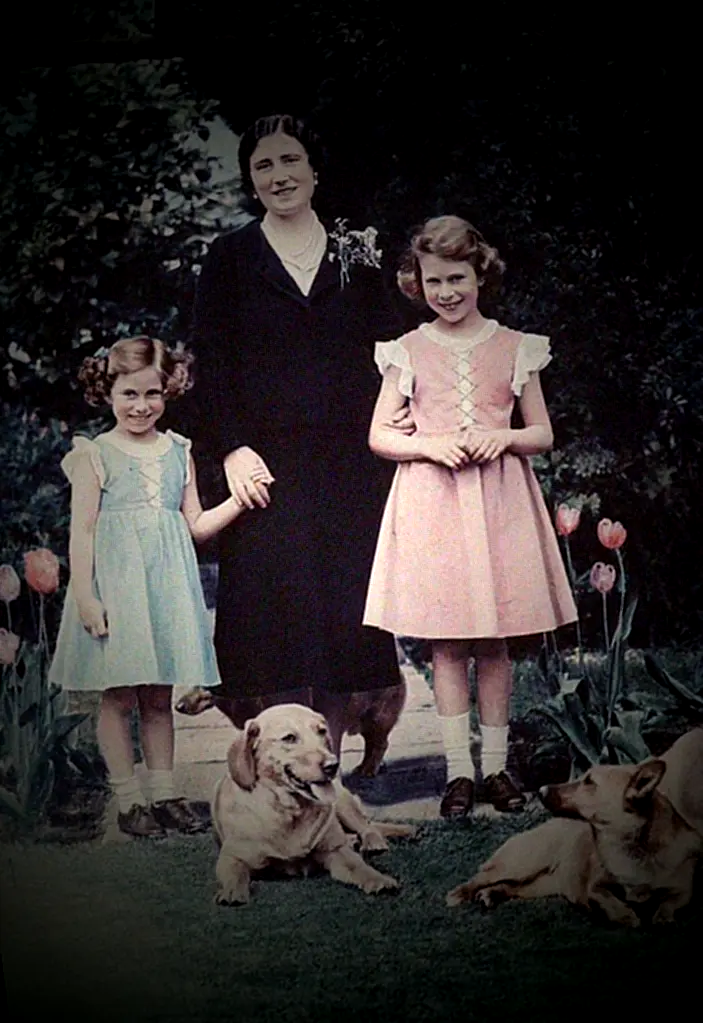
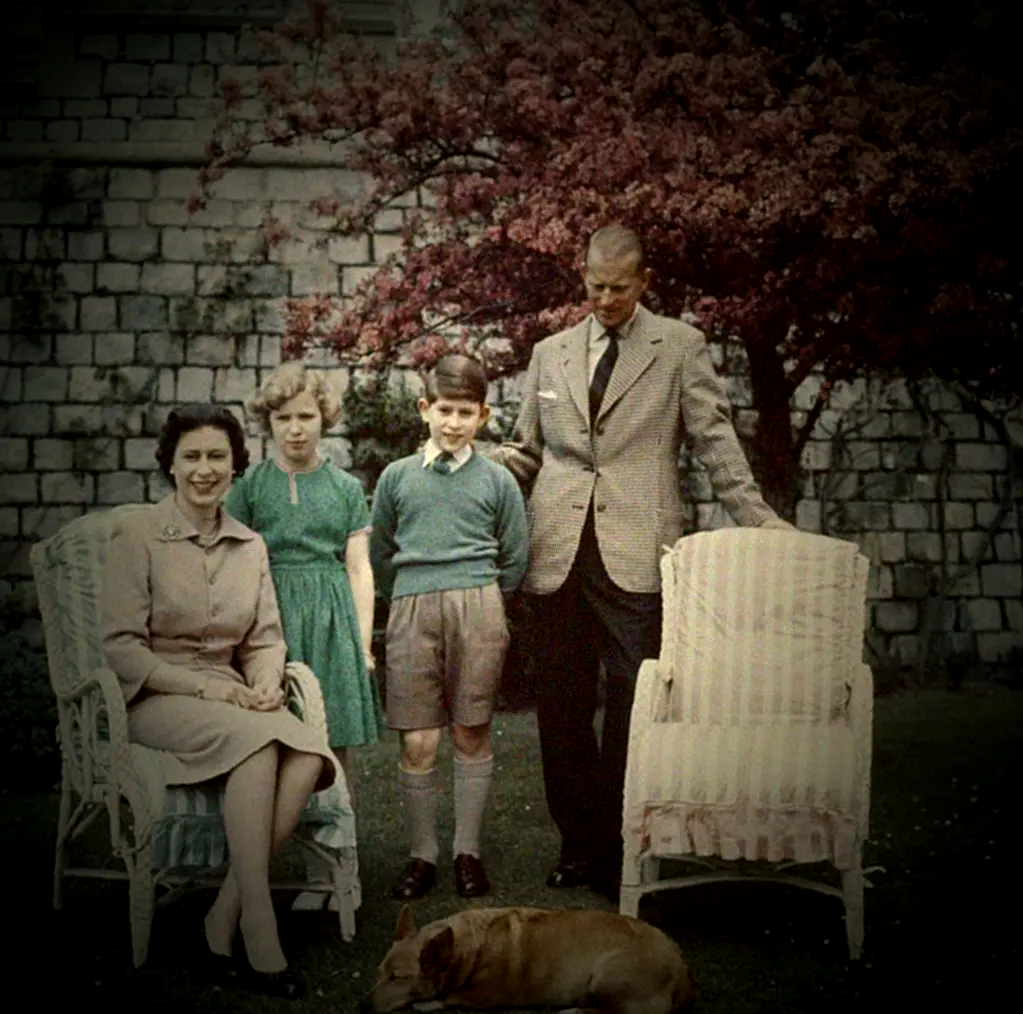
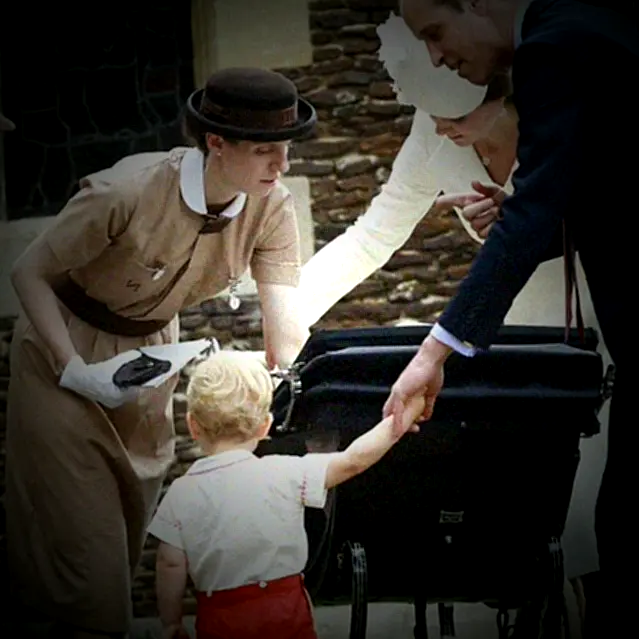
Demanding royal duties—global travel, public engagements, and advocacy—leave little room for parenting. Nannies become surrogate mothers; Queen Elizabeth II and Princess Margaret were raised by Margaret MacDonald and Clara Knight. After Princess Diana's death, King Charles granted Prince William and Harry excessive independence, leading them to confide in protection officers. Nannies raising royal children is a longstanding norm, but today's parents like William seek more hands-on involvement to foster security.
Female royals deal with scrutiny of their appearance and major body shaming
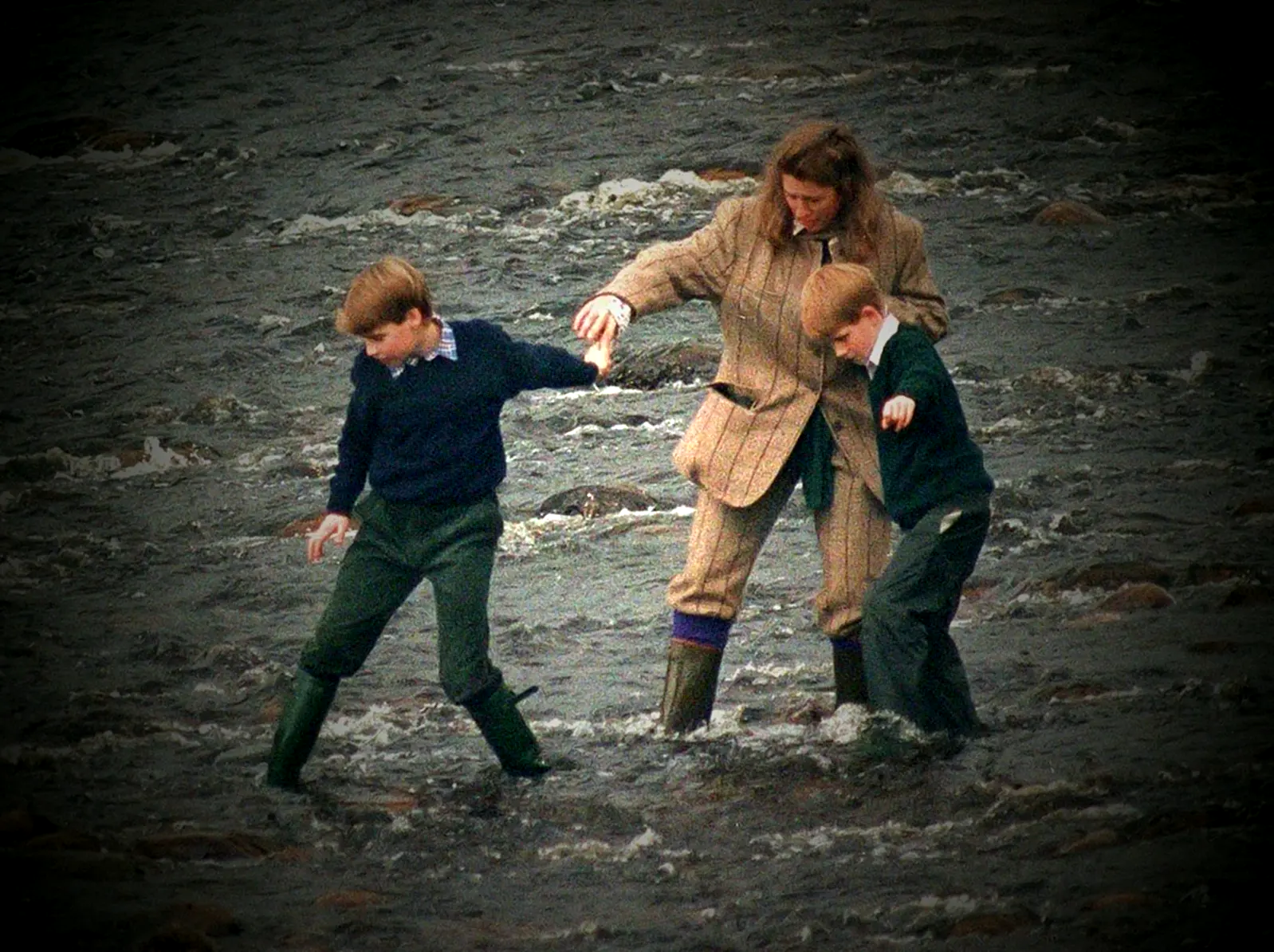
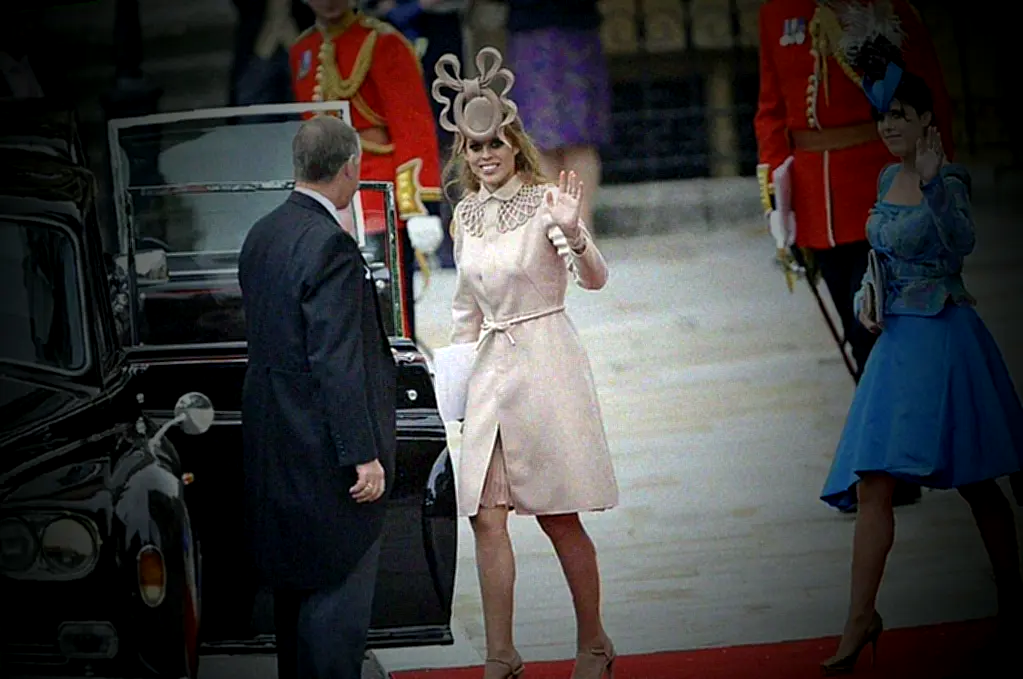
Women in the royal family face intensified body shaming and appearance scrutiny. Teen Princess Anne endured media mockery of her figure. Princess Beatrice and Eugenie were cruelly likened to Cinderella’s ugly stepsisters over style, weight, and careers. The public feels entitled to judge every detail, tolling on self-conscious youth. Yet, adversity builds strength—Windsor women like Kate Middleton exemplify resilience amid body shaming royal women critiques. The Guardian reports on this ongoing issue (theguardian.com/royal-women-scrutiny).

Young royals have to grieve in front of the world
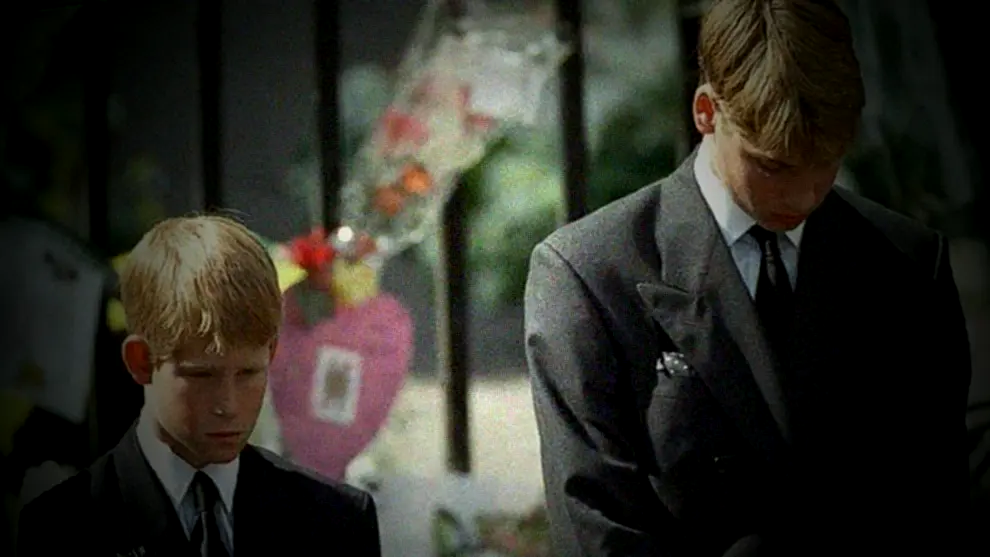
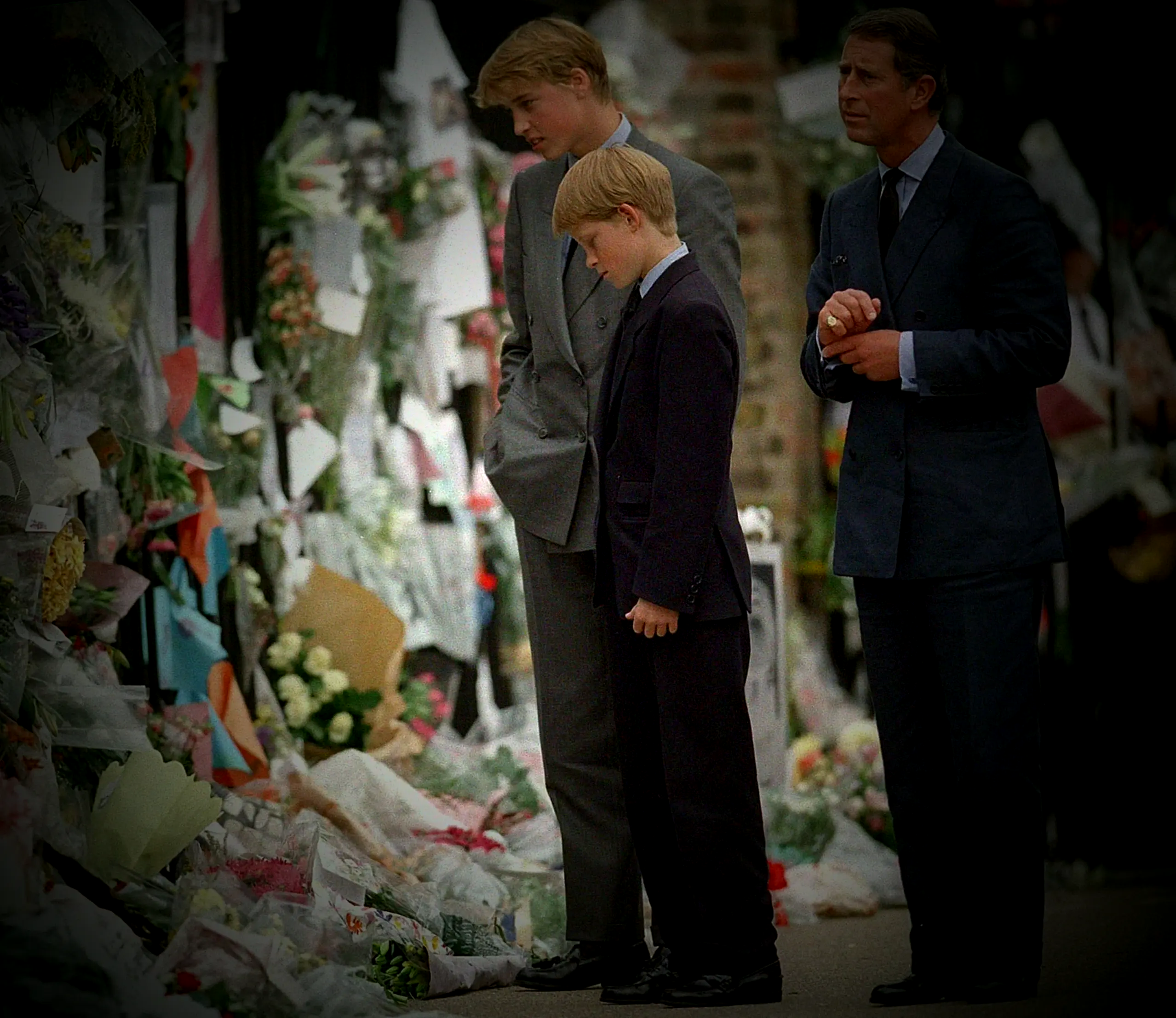
Public grief amplifies royal childhood struggles; Prince William and Harry mourned Diana before crowds. Harry told Newsweek no child should walk behind a parent's coffin amid thousands (newsweek.com/harry-diana-coffin). William grappled with global “outpourings of love” from strangers. This forced exposure hinders private healing—what support systems help young royals cope?
Many royal adolescents have had mental health struggles
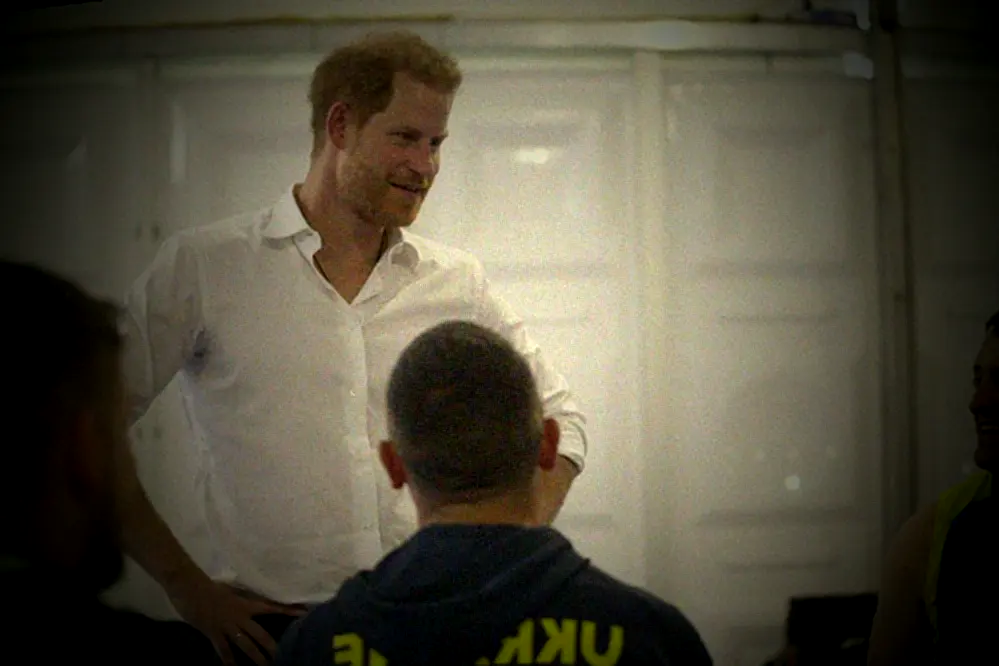
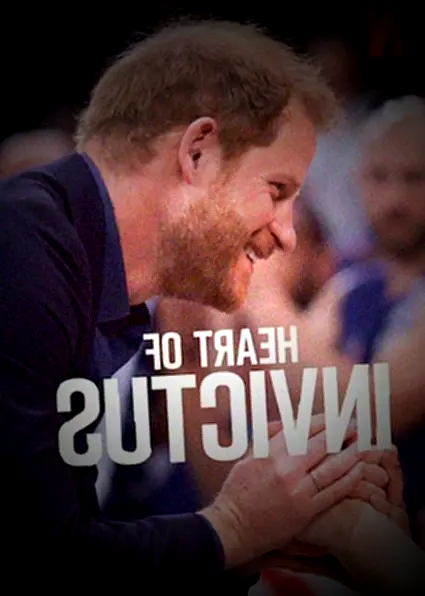
As mental health talks grow, young royals share openly. Prince Harry addressed Diana's loss trauma in “Heart of Invictus,” crediting military service for unpacking suppressed emotions. On “Armchair Expert,” he unpacked generational trauma. Mental health royal adolescents issues underscore the need for therapy and awareness in privileged yet pressured lives.
Many royal family members are concerned about their children’s well-being.
Aware younger royals prioritize kids' mental health, shielding them from past traumas. Prince William and Harry navigate digital threats; William noted to media, “It’s quite difficult, a fluid dynamic. We’ll discuss with our family how to police it.” Proactive steps like limited media exposure protect the next generation—share your views on balancing royalty and well-being below.